
Keeping organic waste out of landfills is one of the best things we can do for the planet. And once you understand the basics of how composting works, turning kitchen waste into healthy soil is one the most fascinating and engaging aspects of gardening.
The key is to devise a system that works for your household and doesn’t take too much time or effort. Options include hot composting, cold composting, Bokashi fermentation, and worm farming. Many gardeners combine two or more systems to make the most of their waste.
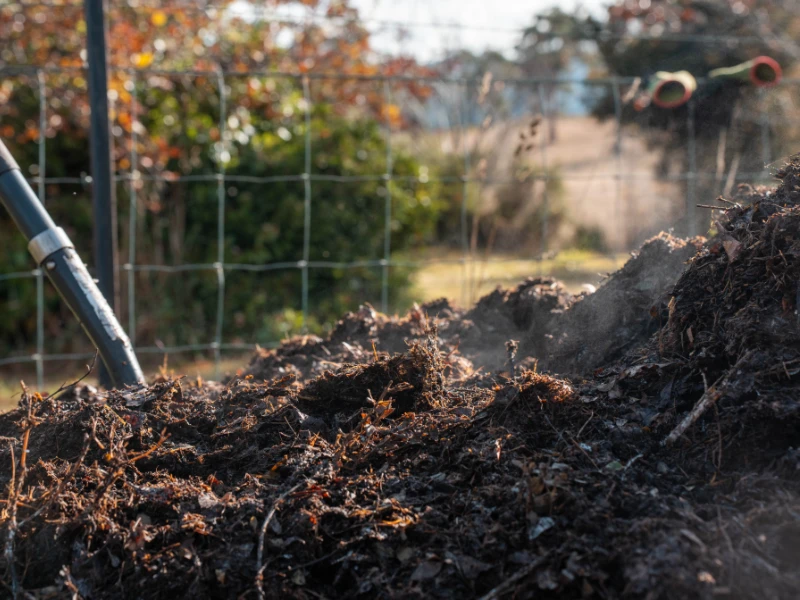
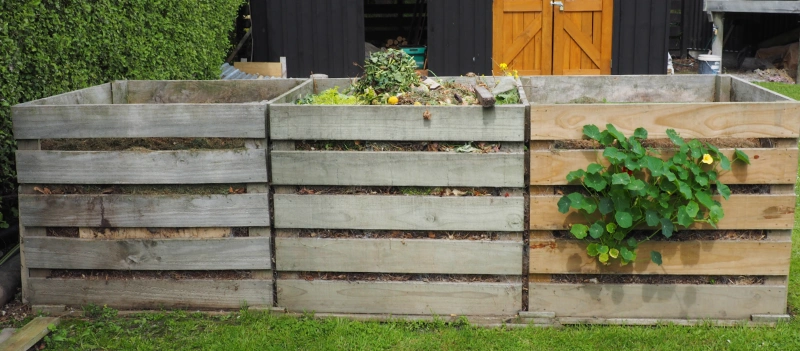
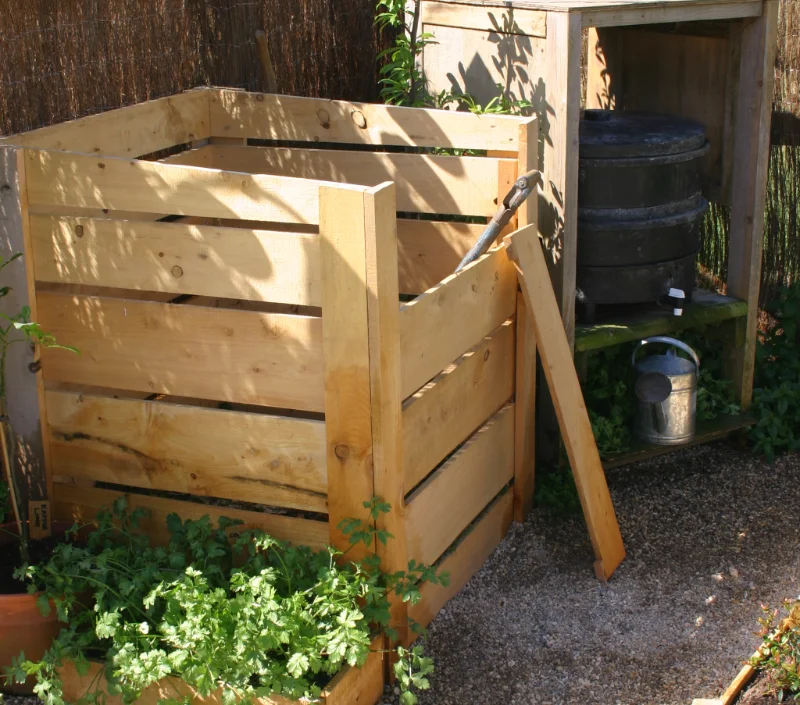
Hot composting takes work and needs more space than most town gardens have to spare, but the results are fast and effective. It requires the building, all in one go, of large heap (at least a square metre) using a balance of ‘green' (high in nitrogen) and ‘brown’ (high in carbon) ingredients.This results in microbial activity that releases heat. When the middle of the heap reaches peak heat it is turned to ‘stoke the fire’ with oxygen.
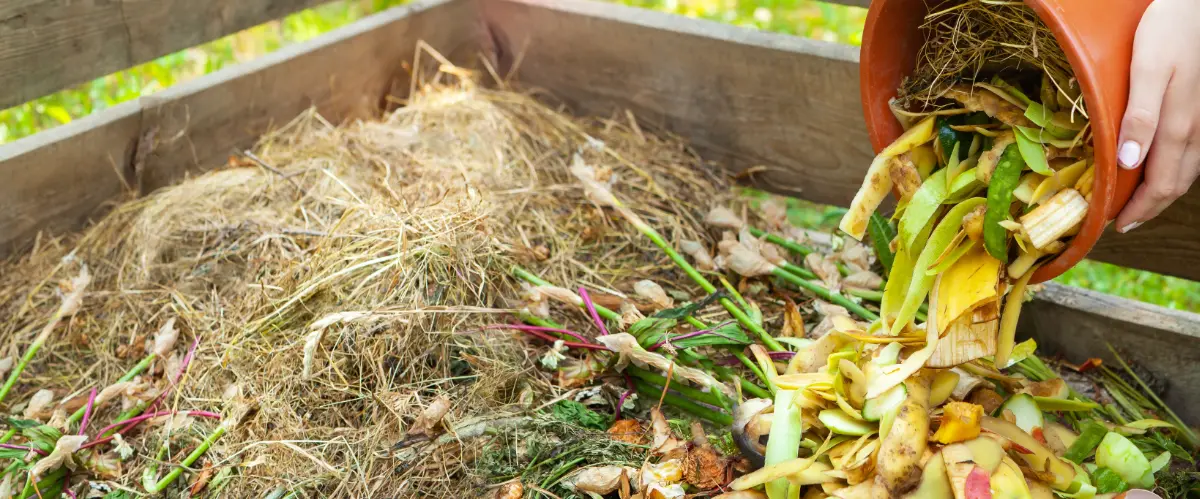
Cold composting takes longer than hot composting but is more convenient and easier to manage for the average household. It uses the same balance of ‘green’ and ‘brown’ ingredients but the heap is built up more gradually as kitchen waste is added. Turning is optional. The smaller the pieces of raw material, the greater the surface area for microbes have to work on, so the faster the raw material will be converted into compost.
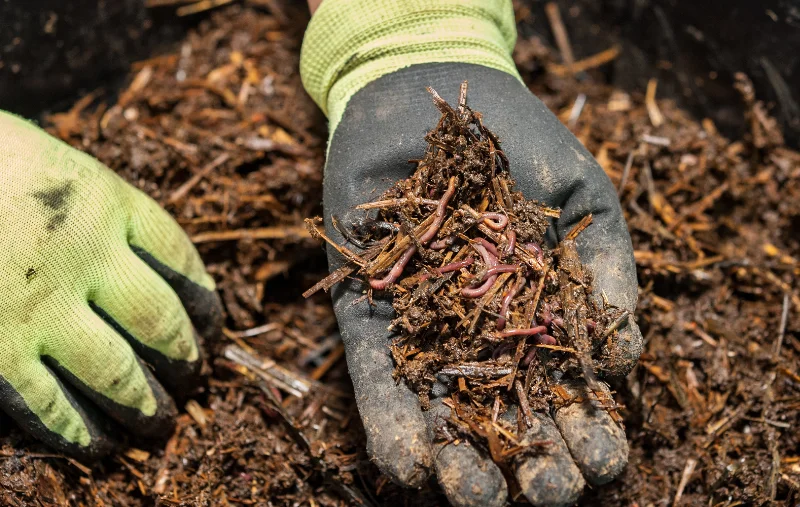
Worm farming is fun, and a tidy way to get rid of kitchens craps, and a simple worm bin doesn’t need much space. Once you build up an active breeding population of worms it can be a surprisingly effective recycling machine with the bonus of ‘worm wee’ plant food on tap. There is a limit to the amount of waste a worm farm can handle so you may need more than one, unless you also have a compost heap. To speed things up it makes a big difference if you chop your worms’ food up into smaller particles.
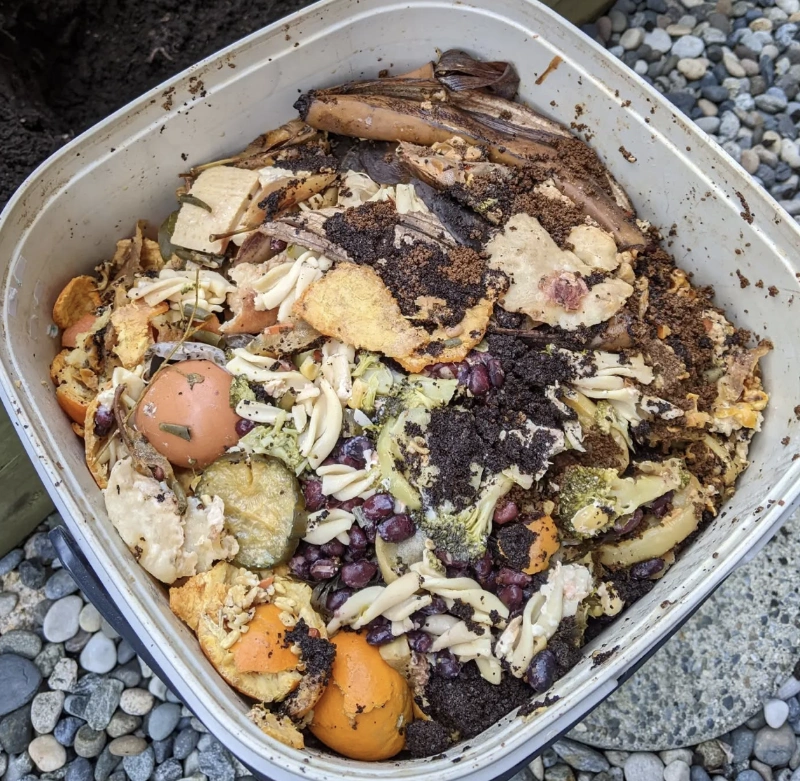
‘Bokashi’ fermentation composting relies on a special kind of anaerobic bacteria, which are added to the mix. This is composting without air in a closed bucket with a lid. The raw material doesn’t change much in appearance,but is effectively ‘pickled’. When buried in the garden or compost heap it will decompose very quickly. An advantage of the Bokashi system is that all food scraps can be managed, even meat, and it can be kept indoors. If there is no backyard for burying, the finished product can be dropped off at a community garden or other grateful recipient.
Compost microbes need carbon for energy and nitrogen for protein. Too much green and the pile will get smelly and slushy. Too much brown and the composting progress will slow right down.
‘Brown’ ingredients
Dead leaves, newspaper, egg cartons, sawdust (untreated), wood chips (untreated), hedge trimmings (shredded), straw.
‘Green’ ingredients
Kitchen scraps, weeds (young without seeds), lawn clippings, animal manure, coffee grounds, seaweed, green plant trimmings.