Any containers will do, provided they have holes for drainage and enough space to meet the needs of your crop. As a guide, a 30cm diameter pot is a recommended size for most winter crops. Other handy vessels include old baths, derelict wheelbarrows, plastic fish bins with holes drilled in the bottom, or recycled stock feed sacks with their tops rolled down (the woven polypropylene allows excellent drainage). Wine barrels are a more expensive option but they’re a good size, look great and last many years.
When growing veges in containers, top quality container mix is key, as is the need to keep up with feeding. Fast growing veges use up a lot of nutrients and with watering, nutrients can be washed from the pots. Ideally apply controlled release fertiliser at planting time as well as regular liquid feeding as crops grow. Liquid fertilisers should be applied little and often in line with plant growth to avoid waste.
10 crops for pots
- Peas grow best when seed is sown directly where plants are to grow. Always buy fresh seed to avoid disappointment. In a large pot of at least 40cm wide, make a teepee of bamboo stakes tied at the top with string. Use garden twine to form a spiral around the teepee then plant seeds at its base. Peas are hungry plants so feed them lots. Snow peas are an efficient use of space as you can eat them pod and all. They will grow just like peas on a teepee in a pot. Even the young shoots add a sweet crunch to a salad or sandwich.
- Potatoes are easy and rewarding to grow in large pot or a bag: Fill a 30-40cm wide container with planting mix to about 15cm deep. Place three or four seed potatoes on top and cover with more planting mix. Water to keep the mix just moist, not soaking wet. When the plants reach 15cm high, add more potting mix, leaving the top 5cm of leaves uncovered. Repeat this until the container is full. Feed once a month with liquid fertiliser. After 80-90 days your potatoes should be ready for harvest. Tip the container over and count your treasure!
- Salad greens grow quickly in a warm sunny spot with plenty of feeding and water. Small looseleaf varieties like ‘Tom Thumb’ and ‘Little Gem’ are ideal. Pick the outside leaves as you need them, allowing the plant to carry on growing. Microgreens take even less space and are ready to eat within a few weeks of sowing. A healthy addition to a winter sandwich, they can be grown on a sunny bench or windowsill. Simply vege or herb plants eaten at the tiny seedling stage, micro greens offer a great range of tastes, colours and textures. Try brassicas, fennel, spinach, celery, carrot, peas, beetroot, nasturtium, carrots and radishes. Sow a whole tray of one variety or a mixture.
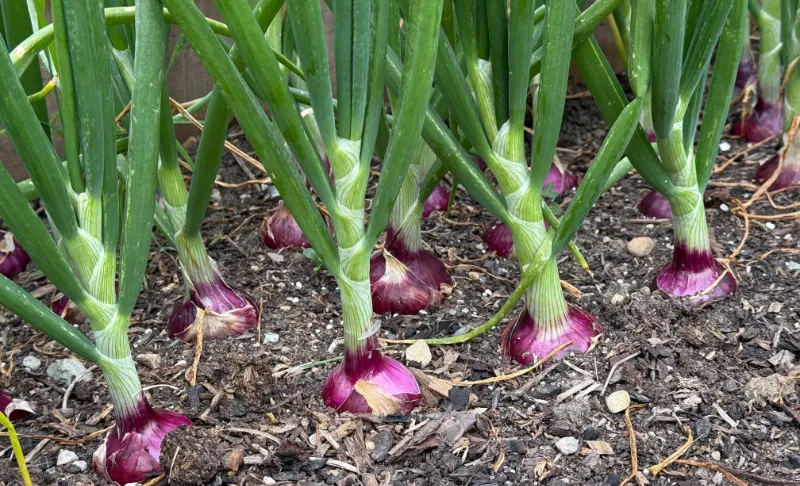
- Red onions can be planted in pots now for summer harvest. Purchase punnets of seedlings, and if a bit on the tiny side, leave them in the punnets a couple of weeks to grow larger. Separate out the best seedlings and plant 10cm apart.
- Leeks and spring onions are grown from seed or seedlings. For leeks, fill a pot to a depth of 20cm of soil, leaving space to add more soil as the leeks grow taller if you want longer whiter stems. Plant seedlings 6-10cm apart or sow seed and thin to the desired spacing a week or two after germination. Leeks mature 2-3 months after transplanting, but they can also be eaten when small. Spring onions, or ‘bunching onions’ are easy to grow in containers.
- Spinach is quick growing and nutrition. Winter grown varieties, such as Yates ‘Winter Queen’ are especially sweet and tasty. Harvest the outside leaves at ground level to encourage further growth. Sow another batch of seed or plant seedlings every 3-4 weeks to extend your harvest time.
- Silver beet makes a very attractive container plant, especially if you grow the colourful ‘Rainbow’ variety. Harvest the outer leaves and the plant will keep growing new leaves. One plant will fill a 30cm diameter pot. Feed and water generously.
- Beetroot can be grown either from seed or seedlings with a range of attractive varieties to try. The young leaves are delicious stemmed or raw and are highly nutritious, but don’t pick to many if you want to grow a good crop of roots.
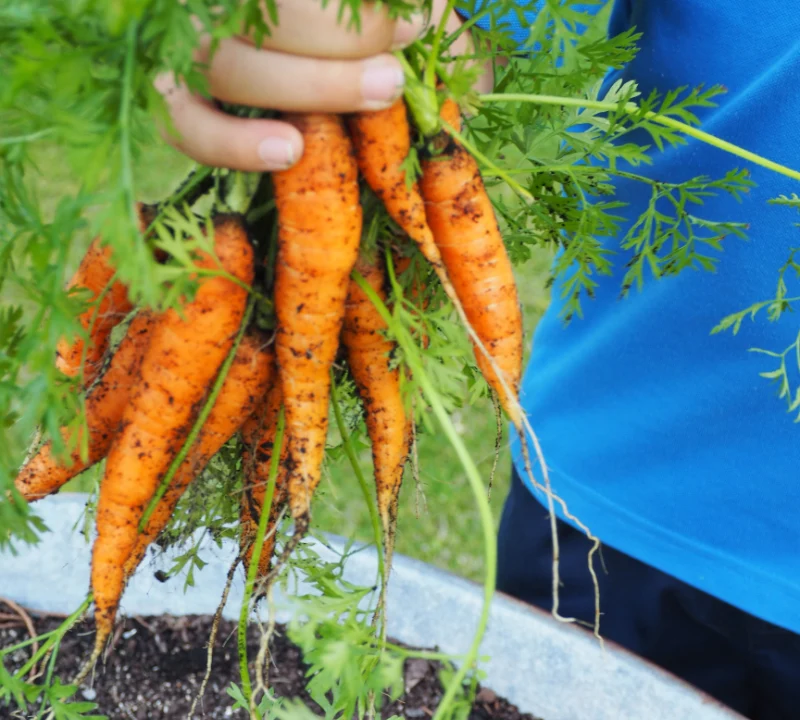
- Carrots prevail all year round in a frost-free climate and will survive a light frost. Sow seed into weed-free container mix at least 30 cm deep. To encourage nice straight carrots, screen out any chunky bits from the potting mix. Water regularly and feed with balanced liquid fertiliser. When the seedlings are 3-5cm tall remove some to leave about 2-3cm between each seedling. As the plants grow, thin them some more. You can eat the thinnings.
- Strawberries planted now will be ready to eat in spring and summer. Feed them generously and be sure to water during dry spells.