
Except in warm northern climates, August and September are too early for tender crops to be safely planted outdoors. Even without frost, planting too early can set your garden back as transplanted seedlings struggle to bounce into growth in cold damp soil. Generally the last frost is around Labour weekend in late October, but always keep your eye on the weather forecast and have the frost cloth ready for a late unexpected frost.
Early spring is often thought of as the ‘hungry gap’ in the garden as the winter crops come to an end and the summer harvest is far from beginning to yield. However we are able to satisfy that yearning for a crisp refreshing addition to our diet thanks to wonderful early spring leafy veges.
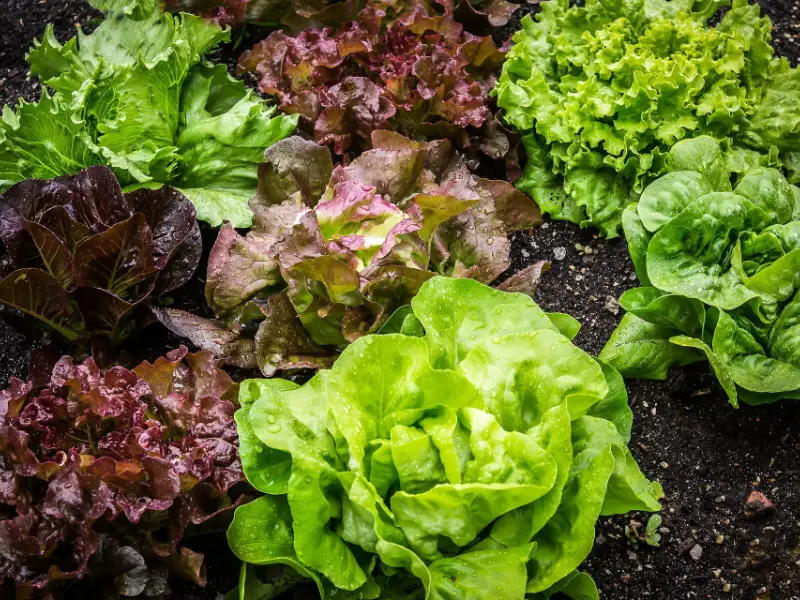
Surprisingly, lettuce and other salad crops also prefer the cool weather of spring. Even though we think mainly of eating them in summer, in spring, salad crops really flourish and have the most sweet tender flavours. Growth is so quick that you only need a few plants in the early season to keep you going. As the weather warms up, this prolific growth slows and the plants are quick to bolt so you need to make more frequent succession plantings for a continual supply of delicious salad leaves.
Lettuce tips
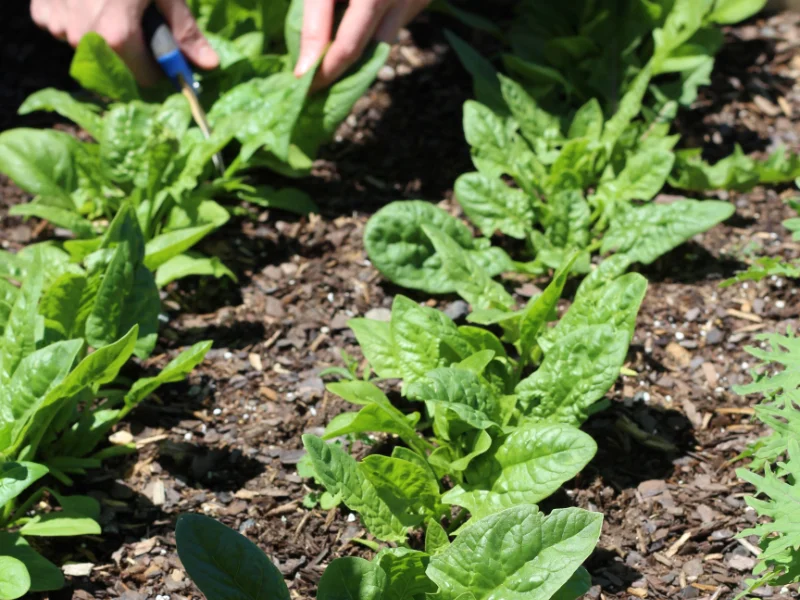
Spinach is the perfect crop for the cooler weather of spring or it will bolt (flower and set seed) in warmer temperatures. It is easy enough to grow from seed and is also quite happy to grow in a container. Seeds will germinate between one and three weeks, and if you can’t wait that long, garden centres have many seedlings to choose from. Spinach likes full sun, but really doesn’t mind a bit of shade, especially as the weather heats up. It needs to be kept well-watered and it will also benefit from a nitrogen rich fertiliser every couple of weeks.
Succession planting
The key to a great spinach crop is to choose the right variety for the time of year and plant new seeds or seedlings every three to four weeks to ensure a continual supply into summer. Start out with a winter variety, such as Yates 'Winter Queen' that flourishes in the cool of spring, but once the weather warms up, sow Yates 'Summer Supreme' that will perform well during the warmer months. Perpetual Spinach seedlings from the garden centre, which aren’t true spinach but in the beet family, will continue to give leaves that can be treated the same way and taste just as wonderful.
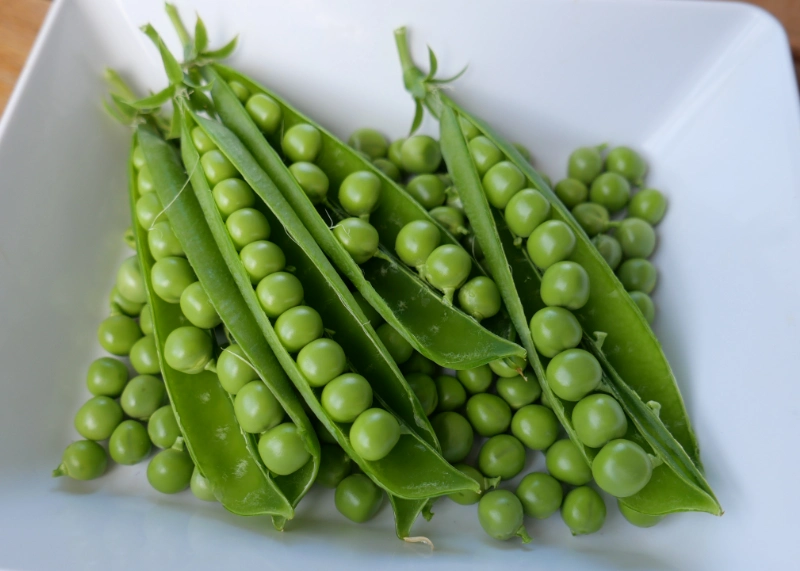
Peas are a great option. That fresh raw crunch can be found in the new shoots and tendrils of newly sprouted pea plants, in an immature pea pod (mangetout), in the sweet round peas of the mature pods, and the full pod of sugarsnap peas. The best way to eat these is right there in the garden.
Peas love cool weather and prefer to be planted in spring. Plant more every three weeks throughout spring to ensure a continuous supply. The first pods should be ready to pick in about eight weeks. Make sure you harvest every pod or the plant will stop producing more.
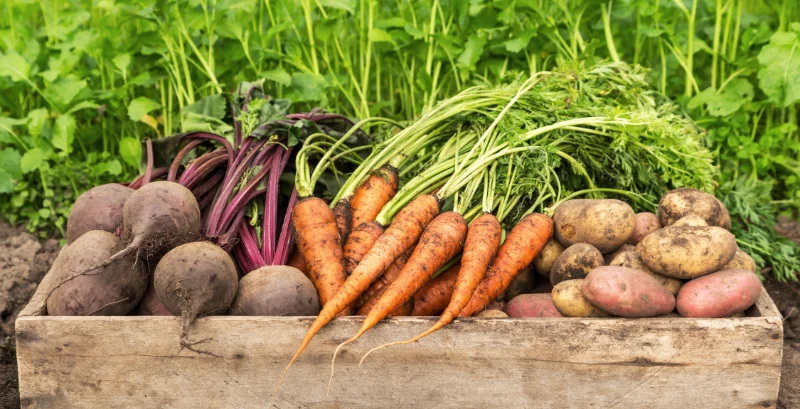
Beetroot don’t mind it a bit cool and can be planted throughout spring and summer. Even the young bright green leaves of beetroot can give a sweet earthy flavour. Once they reach about the size of a golf ball they are ready to harvest. This takes about 8–10 weeks and if you sow seeds at regular intervals, you will have some ready for Christmas and beyond.
Carrots are a good staple crop and by selecting the right variety you should be able to grow them all year long. An early sowing directly into well drained fluffy soil in spring will result in delicious, crispy carrots in time for Christmas. These should take about 12–16 weeks.
Seed potatoes can generally be planted two weeks before the last frost date as it takes about that long for them to emerge from the soil. Protect them from any unexpected late frosts by mounding up the soil over the leaves. This also protects the potatoes from being exposed to the sun and going green. Early crop potatoes such as Swift, Cliff Kidney, Rocket and Jersey Benne will be ready in under 100 days so if they are planted around mid-September there will be new potatoes on the Christmas table.
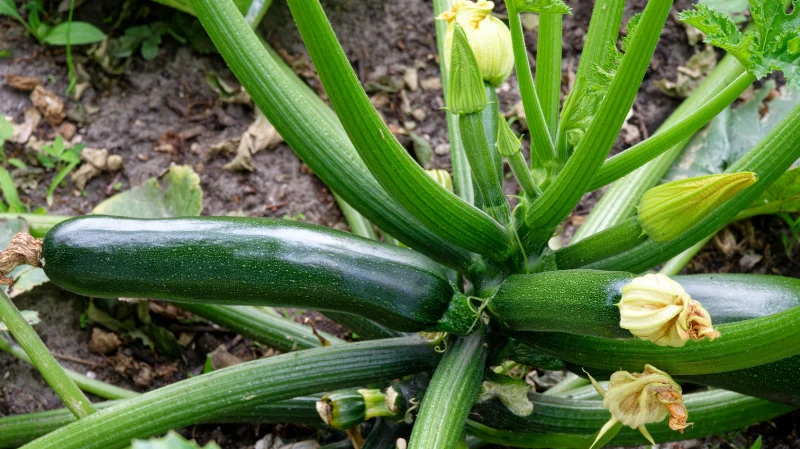
Zucchini are well known for their abundant growth, however won’t tolerate frost so it is important to wait for warm weather. Sow seeds indoors 3–4 weeks before the last frost date and they will be large enough to plant out in the garden once it’s safe. Within eight weeks you will have more zucchini than you know what to do with.
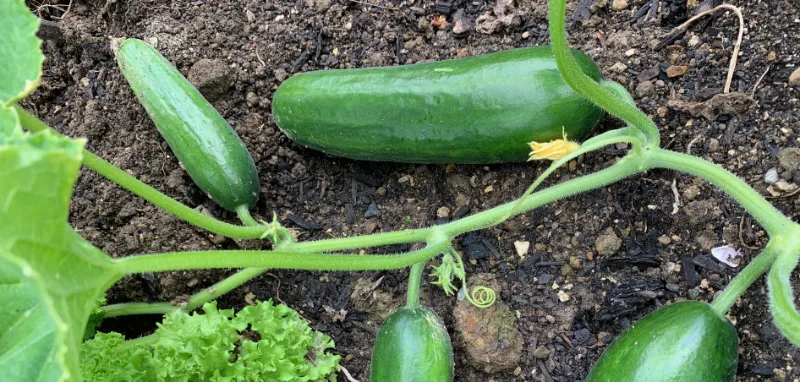
Cucumber planted too early will struggle to thrive, so waiting until mid October to plant seedlings in the garden is preferable to ensure healthy plants. The first crunchy cucumber should be found on the vine in plenty of time for the festive season.
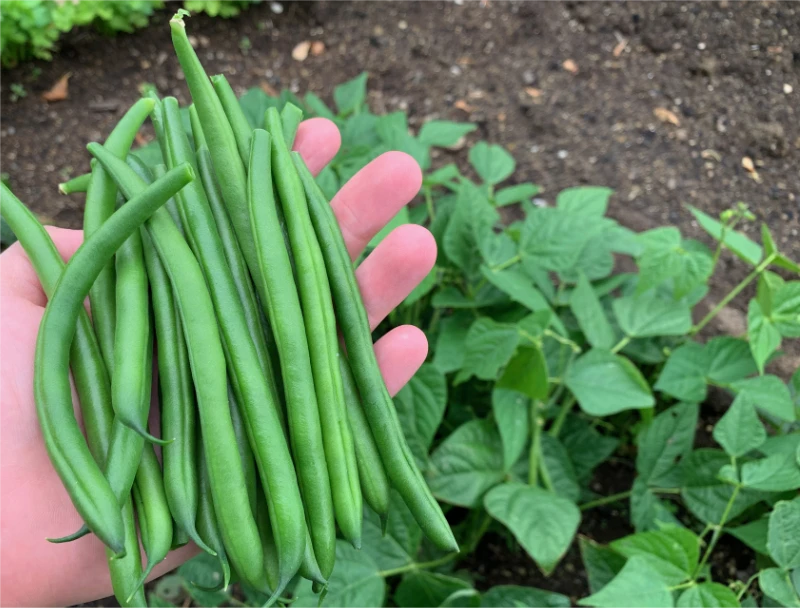
Beans won’t germinate at less than 15°C and will rot in wet soil, so it pays to wait until spring warms up. However in 8–10 weeks you should begin to see the start of an abundant harvest, just in time for Christmas.
Radish seeds can be sown directly in the soil throughout the spring months. The cool of spring provides ideal conditions. Radish will be ready to harvest after about six weeks. There are a range of exciting colours and shapes available to make a spring salad pop with colour and flavour.
Rocket and sorrel can be wonderful additions to elevate the flavour of salads to something beyond the ordinary, with the spicy peppery flavour of rocket and the slightly acidic, lemony flavour of sorrel. Sorrel has a long tap root similar to dock and likes a moist rich soil. Rocket should also be kept moist to prevent it from bolting to seed and making the leaves bitter.
Fennel, sown as seed in early spring or planted out as seedlings, adds a subtle aniseed flavour and is easy to grow so long as you plant them in rich fertile soil that is free draining.
The tender young leaves of kale can also provide that wonderful feel when you know you are eating something that is good for you and tastes great.
To top off your fresh spring veges you can’t go past microgreens. These have to be the easiest crop to grow. Sown thickly on seed raising mix in a small container on a sunny windowsill will reward you with a nutrient dense harvest in as little as two to three weeks and in a range of great colours and varieties.
Nasturtium flowers not only bring vibrant bright colour to lift a salad from shades of green, but offer a piquant flavour. They aren’t too fussy where they grow and will bring the added advantage of being a companion plant that repels some beetles and caterpillars and can draw aphids away from your more desirable plants. Nasturtiums are very vulnerable to frost so need protecting.
Once the festive season has passed you will be able to enjoy the full array of produce in your garden as tomatoes, sweetcorn and peppers begin to overflow your harvest basket.
Starting seeds in containers on a warm sunny porch or in a greenhouse will give you a great head start. By the time the ground warms up in October or early November your seedlings should be ready to plant out.
Sow seed directly into well drained garden soil or outdoor containers filled with fresh planting mix:
Peas, lettuce, rocket, sorrel, silverbeet, spinach, microgreens, beetroot, radish, carrots, parsnip, coriander, parsley, chives, potatoes.
Sow seed in trays or punnets for planting out later:
Broccoli, cabbage, cauliflower, basil, silverbeet, fennel.
Best started in October or early November:
Beans, sweetcorn, NZ spinach, zucchini, cucumber, tomato, chilli, capsicum, pumpkin, melon, eggplant.
Spring is a great time to grow veges in large pots and planter boxes. Whether you plant seeds or seedlings, at this time of year they grow faster in warm, well-drained potting mix than in soil that’s still cold and damp from winter. Don’t forget, veges grown in containers need regular watering and feeding.
Slugs and snails like young seedlings and tender leaves as much we do, so use your best defences to keep your crops safe. A heavy frost can also harm tender seedlings, so cloches and frost cloth can come in handy at this time of year.
Before you even pick up your spade, decide what you want to grow in the space you have. Maximise your garden by planting lettuce in the shade of a tomato plant. Sow radishes close to carrots as they will be long gone by the time the carrots need the space. Sweetcorn, beans and squash grow really well together in the same space.
Don’t be tempted to fill every available space, leave room for succession planting. Only plant as much lettuce as you will be able to eat in two weeks, and every two weeks you will have the freshest salads all summer.
Write it all down in a plan so when the time comes you will have a thriving garden giving you maximum harvest.