
Fresh start

For good health and great taste, the very best greens are the ones we pick fresh from the garden. Salad leaves are the easiest of vegetables to grow.

Fresh start

For good health and great taste, the very best greens are the ones we pick fresh from the garden. Salad leaves are the easiest of vegetables to grow.
For tasty nutritious salads the very best leaves are those picked fresh from the garden.
#1 enrich your soil with compost
#3 plant potatoes
#5 sow carrots and other root vegetables
#7 sow cucurbits (cucumbers, courgettes, pumpkins etc)
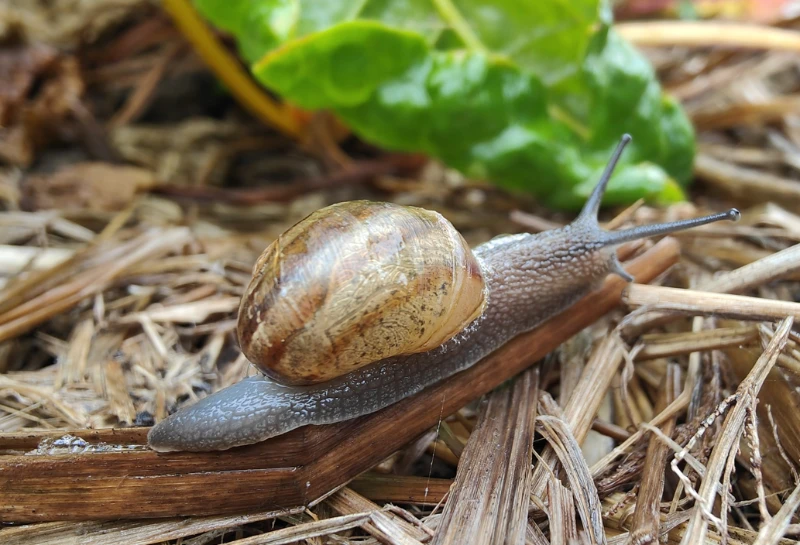
#9 beware of slugs and snails
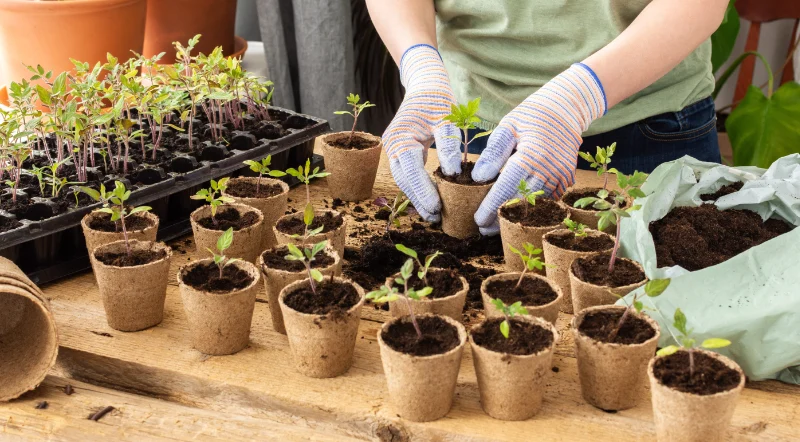
Potting on tomato seedlings ready for hardening off

Timing is all about temperature in early spring, whether we’re transplanting young seedlings or sowing seeds. Patience pays off and a soil thermometer can be your best friend.

As spring bursts to life, it’s hard not to get swept up in the excitement and start planting straight away. But jumping the gun with tender seedlings before the soil has properly warmed can backfire, leading to poor germination, stunted growth, or even losing whole crops to a cold snap.

Regional climate differences see soil warming up at vastly different rates across the country. Northland will reach ideal temperatures earlier in the season than Canterbury and Otago. Using a soil thermometer is a simple and inexpensive way to check conditions before planting. Waiting until the soil is warm enough, we can avoid stunted seedlings and get our crops off to a strong, healthy start.

Cold, wet soil can cause seeds to rot or sit dormant for weeks, wasting time and resources. Most common vegetable seeds, including beans, corn, and cucumbers, require soil temperatures of at least 15°C to germinate reliably. Heat-loving crops like tomatoes, capsicums, and pumpkins need the soil to be closer to 18–20°C. Even cold-hardy crops such as carrots, lettuce, and peas prefer soil temperatures above 10°C for healthy development.

To help soil warm up faster, there are useful tactics such as covering beds with black plastic or cloches. Raised beds or containers filled with soil or potting mix also tend to warm up quicker than in-ground beds.

HINT: To help raise soil temperature, spread black plastic over your planting area two or three weeks prior to planting.
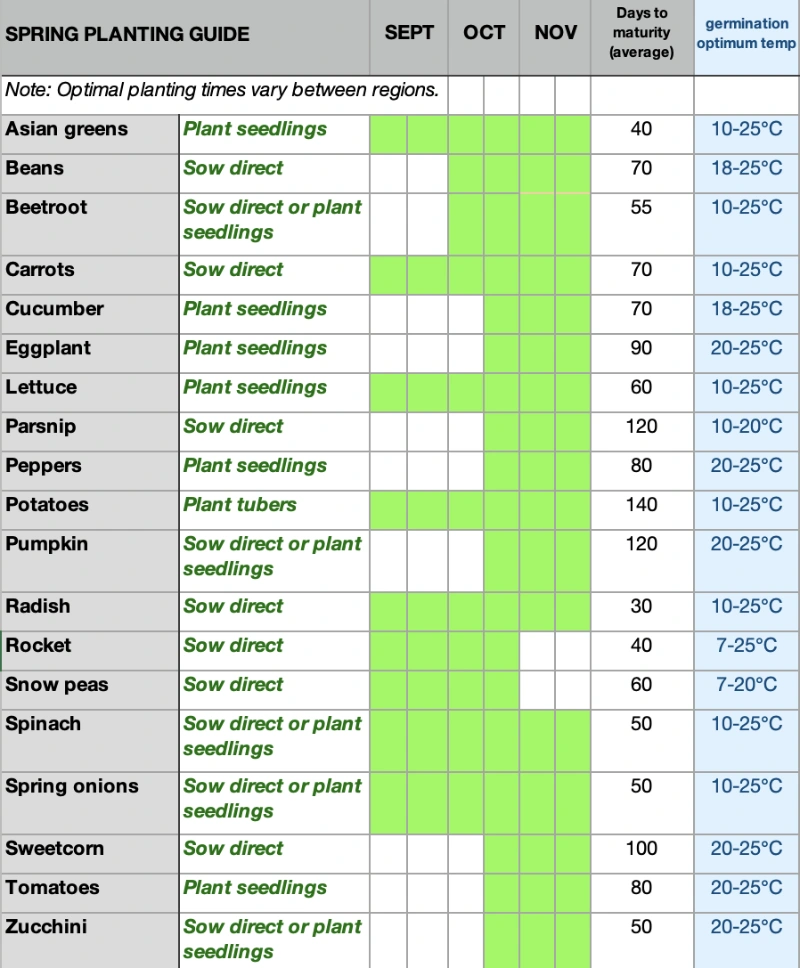
 

12 timely tasks for September and October

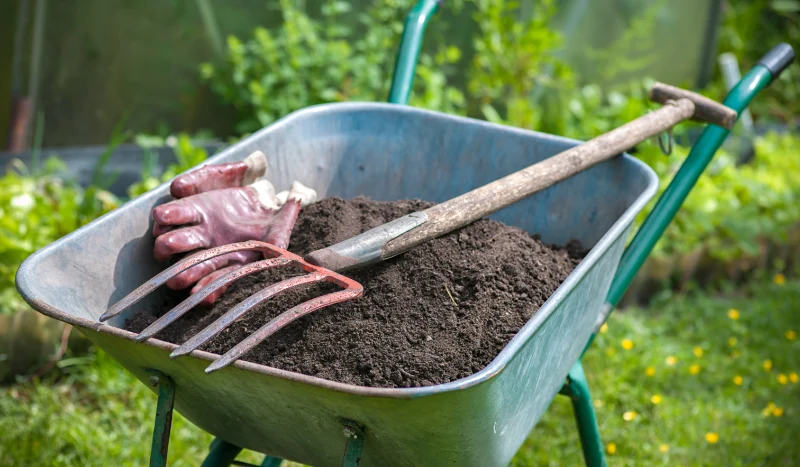
  1. Enrich the root zone. Apply a good helping of compost to all vegetable beds before planting or as a mulch around existing plants. Now is a great time to start that home compost heap or worm farm.
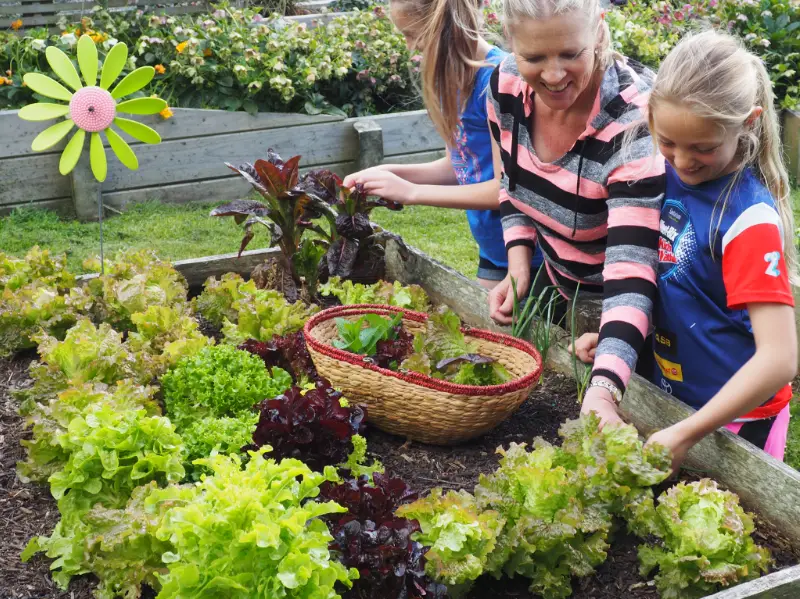
  2. Start a spring salad garden. Kick-start a healthy spring diet with quick growing lettuces, rocket, radish, spinach and kale. Salad greens thrive at this time of year in moist, well-composted soil or container mix that is kept well fed and watered.
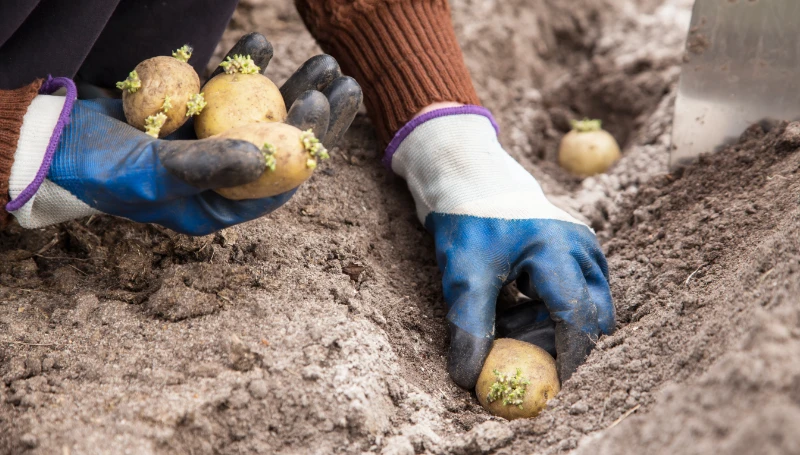
  3. Plant potatoes. Fun to grow in garden beds or large containers, both early crop (summer harvests) and main crop (autumn harvests) varieties are available for planting in September. Try an early variety to harvest within 100 days plus a main crop for later.
  4. Sow peas while the weather is cool. Peas, snow peas and sweet peas grow best when sown directly into cool, compost enriched soil. Sow your seeds next to a support structure, such as a simple teepee made from bamboo stakes. Peas can also be grown in large containers.
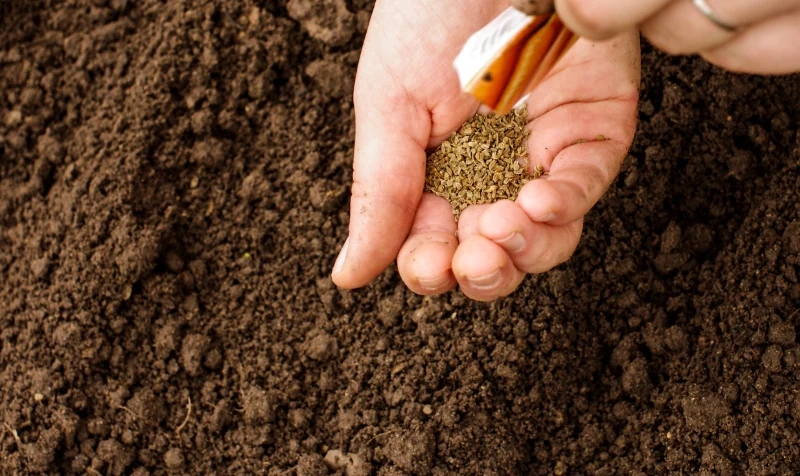
  5. Sow root veges. Lightly scatter radish, carrot, beetroot or parsnip seeds into a sunny, well-drained patch of loose, lump-free soil. Wait until the soil has warmed to at least 10℃ before sowing. Skip fertiliser at this stage as too much nitrogen can cause roots to fork,but carrots and parsnips do well in soil that previously grew leafy greens. Water gently and keep the soil consistently moist. When seedlings reach 3-5cm tall, begin thinning to 2-3cm apart. For no-fuss thinning, snip unwanted seedlings off at the base with scissors to avoid disturbing the roots of those left behind. Thin them again as they grow - and eat the extras.
  6. Sow or plant herbs. Spring onions and herbs can be sown direct outdoors or in trays for planting out later. Coriander grows best when sown directly where you want it to grow (in pots or well drained garden soil) and well before the heat of summer, which causes plants to bolt to seed. Basil is frost tender and needs warmer soil. Sow seeds for planting out later or wait till November to purchase seedlings.
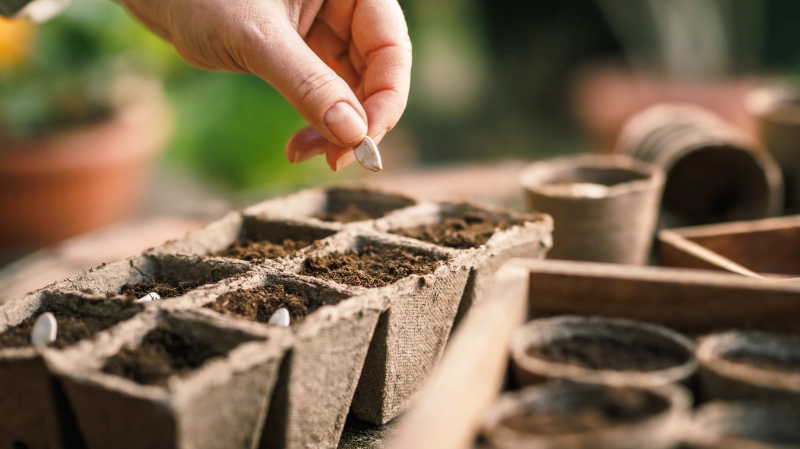
  7. Sow or plant cucurbits when the soil has reached a consistent 16˚C (this will mean waiting until November in colder climates). Sow seeds directly into the soil or purchase advanced single potted plants from the garden centre. There is no point in sowing or planting outdoors too early; a young cucumber or zucchini plant will sit and sulk in cold soil, while the same sized seedling planted a week or two later will soon catch up and overtake it. Alternatively, sow some seeds in pots to keep them warm then transplant later into warm garden soil or big pots.
  8. Start tomatoes from seed. In most parts of the country it’s too cold to plant tomatoes, peppers and eggplants outdoors until late October or November, but seedlings can be started in pots indoors for planting out later. It’s fun to try a range of different varieties which may not be available in supermarkets. Seedlings grown indoors need to be ‘hardened off’ before they are planted in the garden. Gradually acclimatise seedlings before planting by moving them outside in their containers during the day.
  9. Beware of marauding molluscs. Slugs and snails get active in wet warming weather. One midnight feast can annihilate precious young seedlings. It’s time to guard against these slimy pests.
  10. Build a plant cage. A multipurpose frame can be used protect from cold weather in spring, and pesky flying insects as the weather warms into summer. Be ready with frost cloth to protect vulnerable crops, such as young vege seedlings and citrus. Once spring growth starts, soft young shoots can be at risk in a cold snap.
  11. Keep the soil covered. Apply organic mulch, such as compost or straw around vegetable plants. It will block the weeds and conserve soil moisture while breaking down into humus, the foundation of healthy soil life. While not as pretty as pea straw, even wilting weeds, laid on the soil surface after you pull them, make an effective soil cover.
  12. Get composting. Keeping organic waste out of landfills is one of the best things we can do for the environment - and our gardens. Turning kitchen waste into healthy soil is one the most fascinating and engaging aspects of gardening. 

Edibles from seed

Apart from the immense sense of satisfaction and potential to save money, growing vegetables from seed offers a broad choice of exciting varieties to grow and eat. 

Nonstop salads

A salad garden takes very little space and growing a variety of different leafy veges and herbs makes forever-interesting salads. Lettuces can be grown almost all year round, but they thrive in spring when temperatures are not too cold and not too hot.  

Seed can be sown straight into garden beds or containers and then thinned out to give them space as they grow. Alternatively you can sow the seed into punnets or trays of seed raising mix for planting out later. This works well in spring if there is still a risk of frost. Starting out with weed free seed raising mix makes things a lot easier too, as it can be difficult to distinguish a tiny lettuce seedling from a tiny weed.  

Sowing in trays

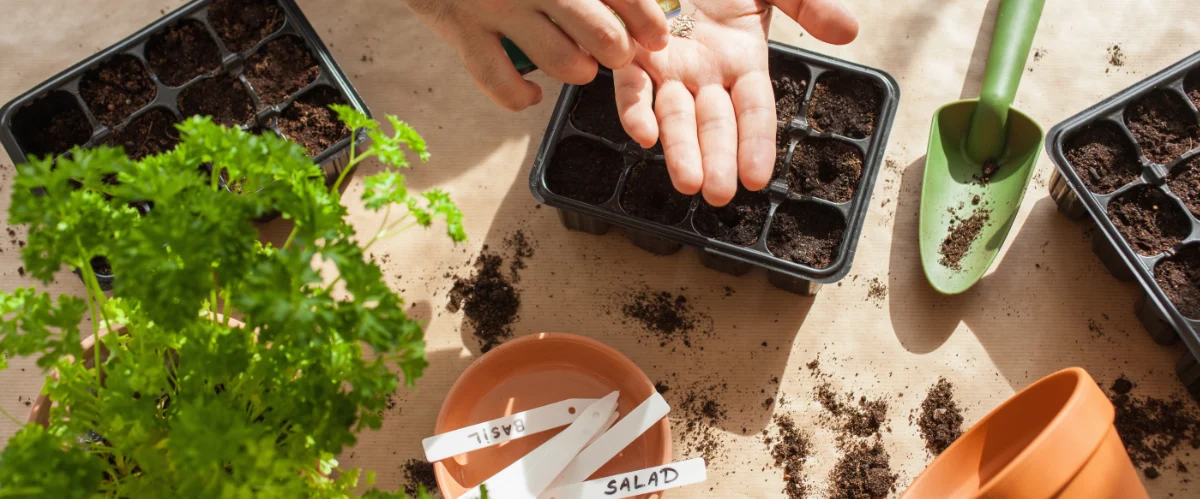
Take a clean seed tray, punnet or other recycled container with holes for drainage, and fill it with seed raising mix. Your tray only needs to be 4 to 6cm deep. If the mix is too deep it is not only wasteful but may be too wet and cold for baby seedlings.  

Sprinkle the seeds over damp seed raising mix and then cover with a thin layer - no deeper than 3mm - of the mix. Keep the seeds moist while they germinate and start to grow. Spacing small seeds like lettuces is a fiddly task. It is far easier to sprinkle the seeds and when they need more space to grow, lift and replant them to give them more space. This is called ‘pricking out’. 

Pricking out

An ice cream stick or plant label makes a handy tool for this job. After your seedlings have their first pair of true leaves (these look similar to the parent plant and appear after the very first seed leaves called ‘cotyledons’), lever out the roots of each seedling while holding the seedling by the leaves, not the delicate stem. Using your stick to make a planting hole, transplant your tiny seedlings into containers filled with fresh mix. Drop your seedling into the hole so that it is buried almost up to its lowest leaves then gently firm it in.  

Pricking out helps avoid damping off disease which can kill off young seedlings when they are too over-crowded. However, depending on how thickly you have sown your seeds (and the weather), you may decide to skip the pricking out stage and plant straight into the garden. You can also avoid the need to prick out seedlings by raising seeds in ‘cell’ trays, sowing one or two seeds into each little compartment. 

Hardening off

If young seedlings are moved straight from a warm room or greenhouse into the spring garden, they may be vulnerable to cold night temperatures. ‘Hardening off’ is the simple process of acclimatising them gradually to the cold by protecting them overnight (e.g. moving them back indoors) for a week or two before planting.

Planting out

When your seedlings are ready for planting out, choose a sunny spot in your garden and enrich the soil with compost. A dibbler or narrow trowel makes easy work of spacing and planting seedlings. After planting, water thoroughly using a watering can or hose with a fine rose attachment. Water regularly to keep the soil moist as your lettuces grow.  

TIPS

  • Make successive sowings every few weeks for a continuous spring and summer supply of fresh greens.
  • Always sow fresh seeds. The older the seeds are, the poorer the germination. Older seed, even when it does germinate, is likely to produce a weaker plant.
  • Mulch with straw to conserve summer moisture.
  • Feed weekly with liquid fertiliser.
  • Protect young seedlings with snail bait
2025 September