
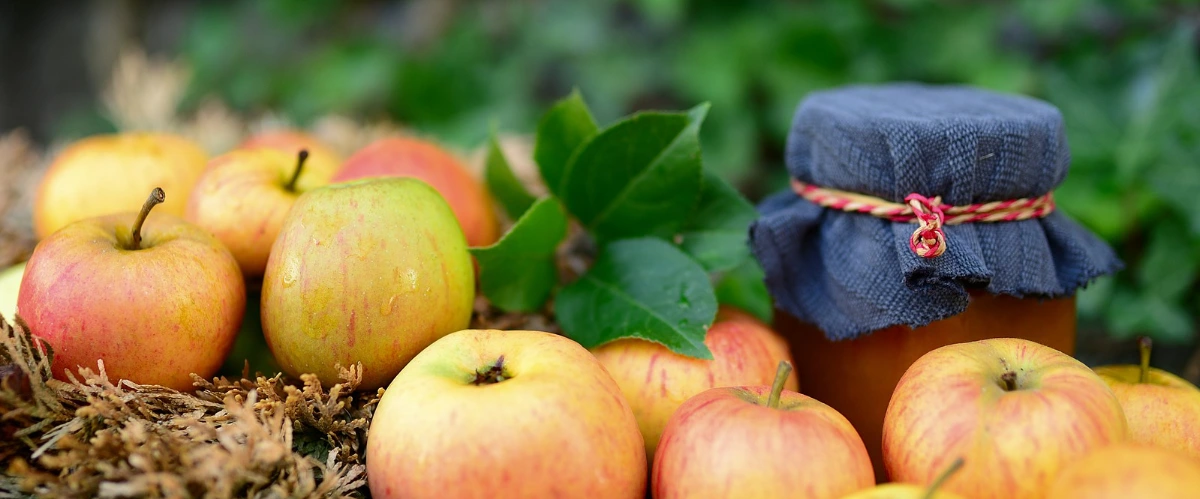
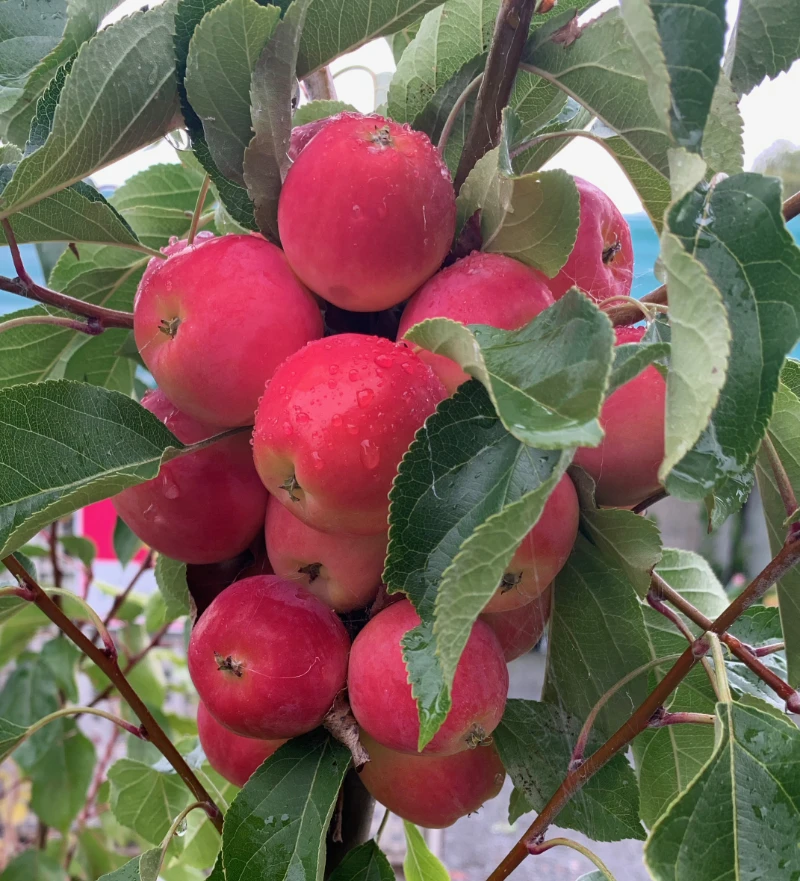

Autumn is harvest time for apples and pears - as well as some beautiful old-fashioned fruits that are more commonly found in gardens than on supermarket shelves.
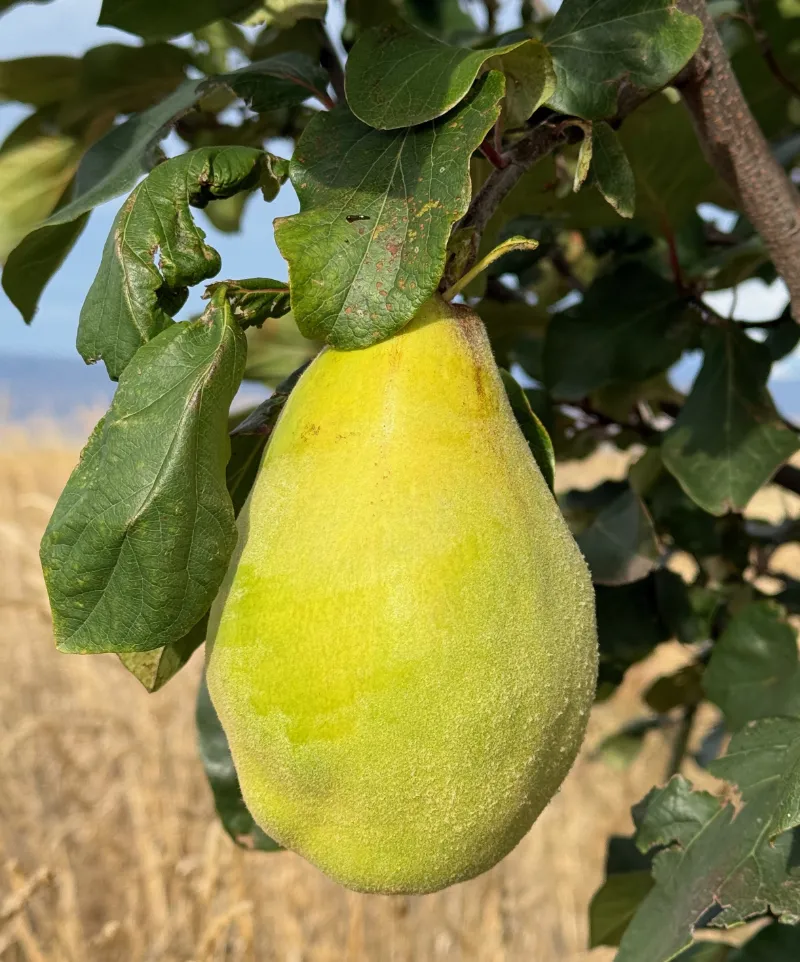
Crabapples, grown mainly for their spectacular autumn and winter display, are too astringent to eat straight from the tree, but they make the most delicious jelly. Similarly, quinces, prized for their spring blossom and gorgeously fragrant fruit, are best eaten cooked or preserved.
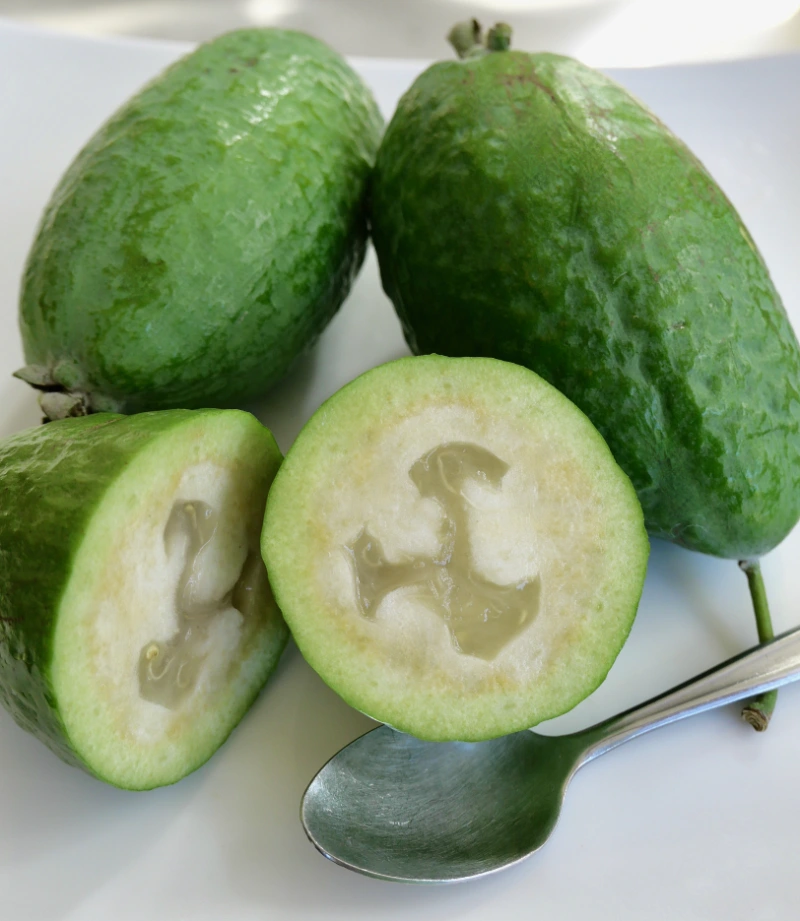
If autumn brings a glut of feijoas, some of that tropical flavour can be captured in a fragrant fruit jelly. When made into jelly, feijoa green turns delectable ruby pink. Rose hip jelly is strongly associated with Scottish tradition, where it's a classic autumnal recipe made from wild rose hips. Rose hips also combine well with other fruits.
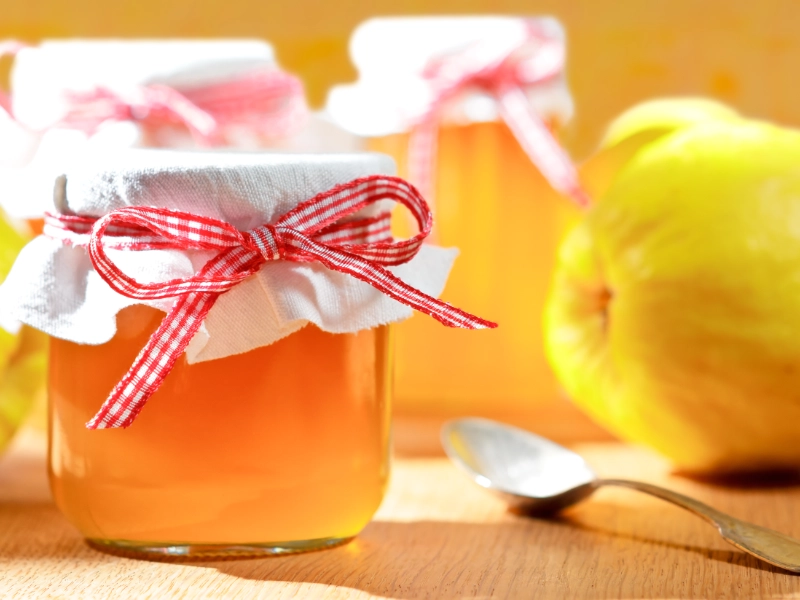
While jam uses the whole fruit, jelly is made from the strained juice. Translucent and firm, traditional fruit jellies are made without gelatine, relying instead on natural pectin for setting.
Important in both jam and jelly setting, pectin is a natural compound found in the cell walls of fruit. The level of pectin depends on the type of fruit and its ripeness. Crabapples and quinces are naturally high in pectin and can be made into jelly without any added pectin. Other fruits like strawberries are lower in pectin.
Rose hips, guavas, persimmon and feijoas also have good pectin levels, especially in their skins. Slightly unripe fruit is higher in pectin so will provide the best setting power. If peeling apples or quinces for cooking, there is no need to waste the peels. Store them in the freezer until you are ready to make a fruit jelly.
Different recipes may include added pectin (liquid or powder), citrus peel or other high-pectin fruit.
The basic principles of jelly making can be adapted to a wide range of different fruits and flavours.
Prepare and wash the fruit: cut out and discard any infected with insect pests, but leave the skins on. Place fruit in a large saucepan and cover with cold water.
Boil 30 minutes or longer until the fruit is soft.
Line a colander or sieve with a piece of muslin cloth with plenty of overhang (this is your ‘jelly bag’.) Place the lined colander over a large bowl, pour the fruit mixture in and tie the top of the bag to enclose the mixture.
Leave it for several hours or overnight to allow the juice to strain slowly into the bowl below. DO NOT squeeze the bag or your jelly will be cloudy!
Measure the juice.
Add 7 parts sugar to every 10 parts liquid plus thejuice of one lemon (for extra pectin).
Boil again for about 40 minutes. The liquid will turn pink.
Test for setting. Place a spoon in the freezer for 10 minutes. Drop some of the liquid onto the spoon. If it quickly turns gooey, the jelly is ready to pour into hot sterilised jars.
Jelly making is easy but patience is required! Dont squeeze the bag - let it drip overnight.