
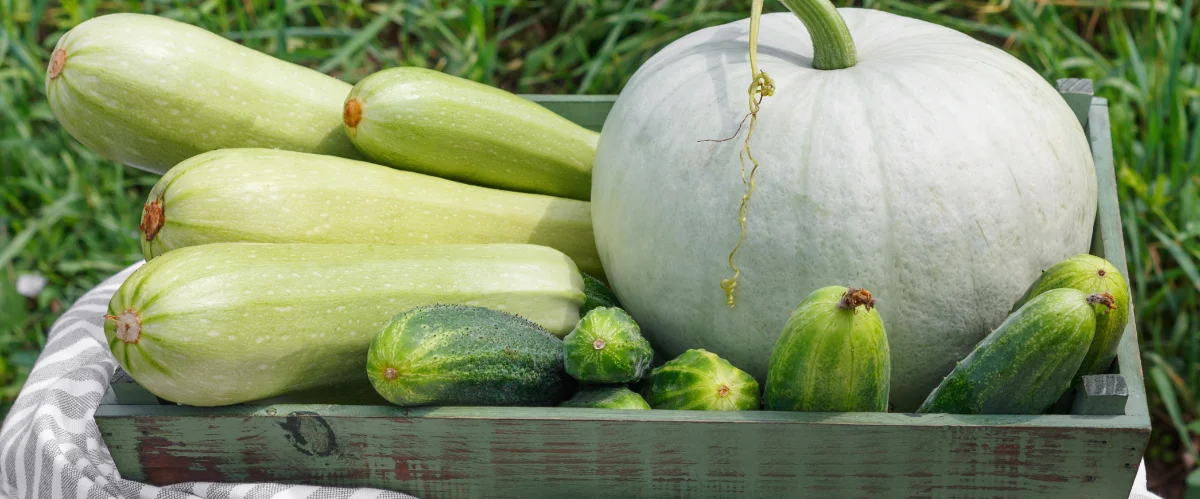
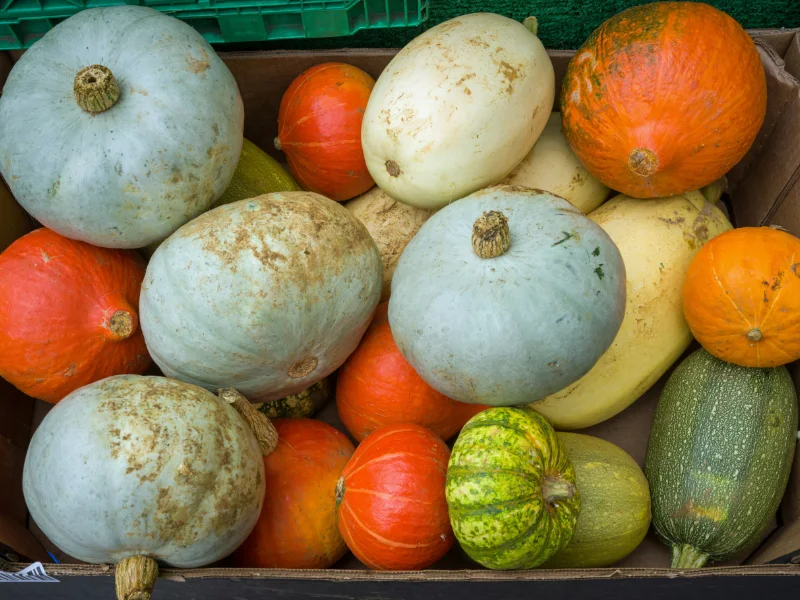
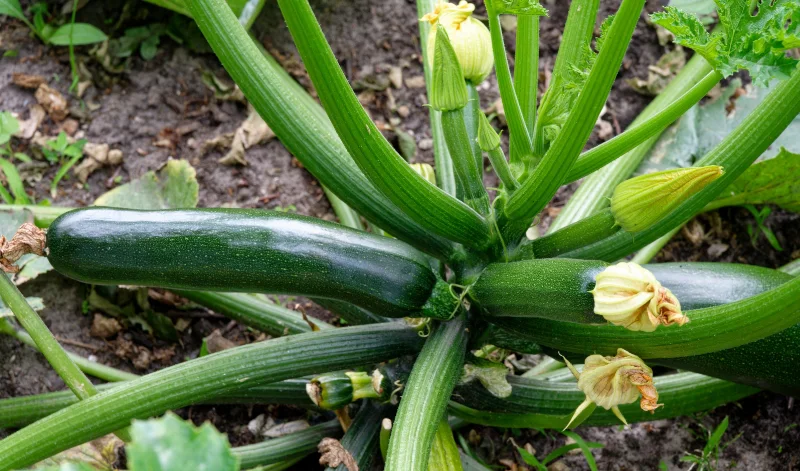
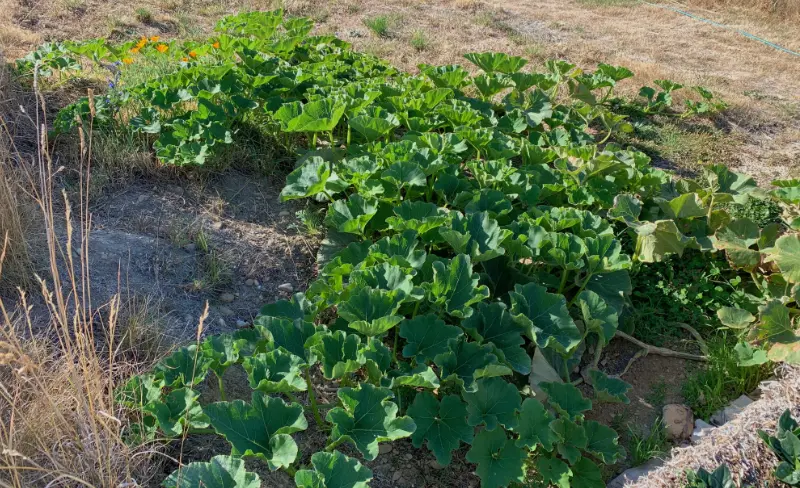
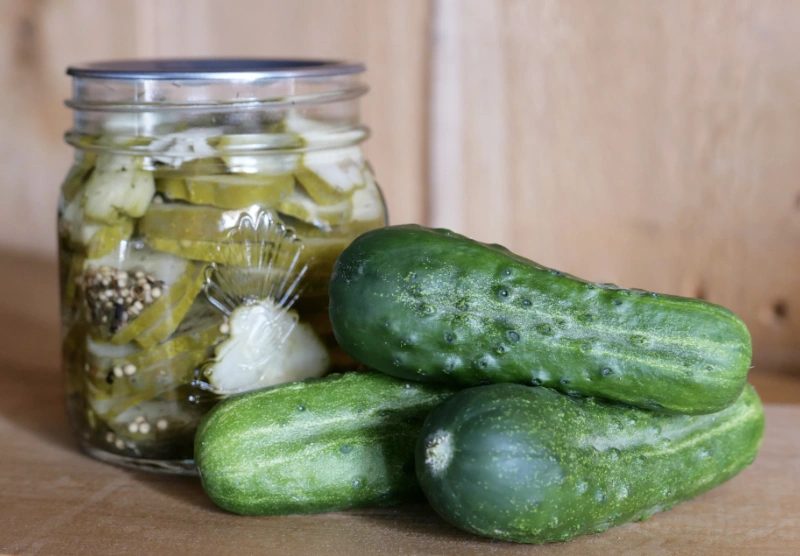
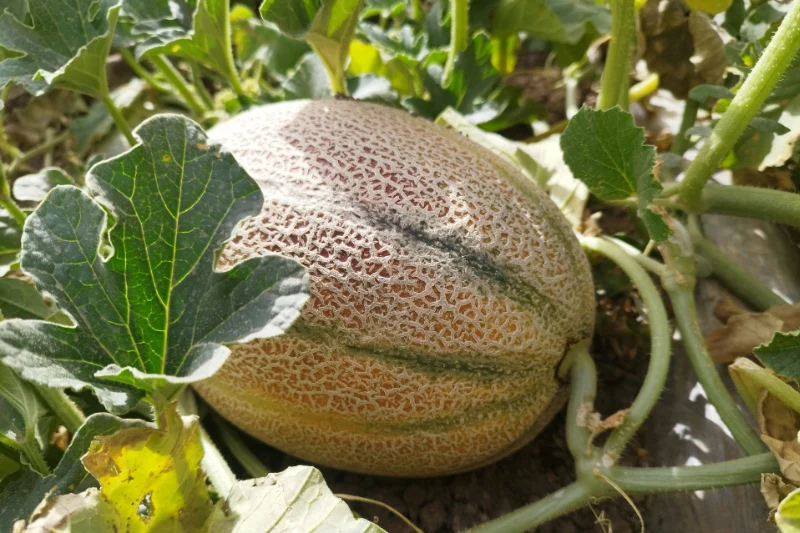
Pumpkin and watermelon vines require room to grow but can trained over structures. Cucumbers, gherkins and rockmelons require less space and can be grown vertically on a trellis or obelisk. Zucchini (courgette) are bushier but have large leaves and can be trained up with support.
Cucurbits require warm, frost-free conditions. In cool areas, seedlings can be started in protected positions and planted out when the risk of frost has passed. Cucurbits perform best in the warm, dry months November to April.
All cucurbits prefer full sun but protection from strong wind. Their foliage (particularly zucchini and squash) is large, and easily damaged and dried out in exposed conditions.
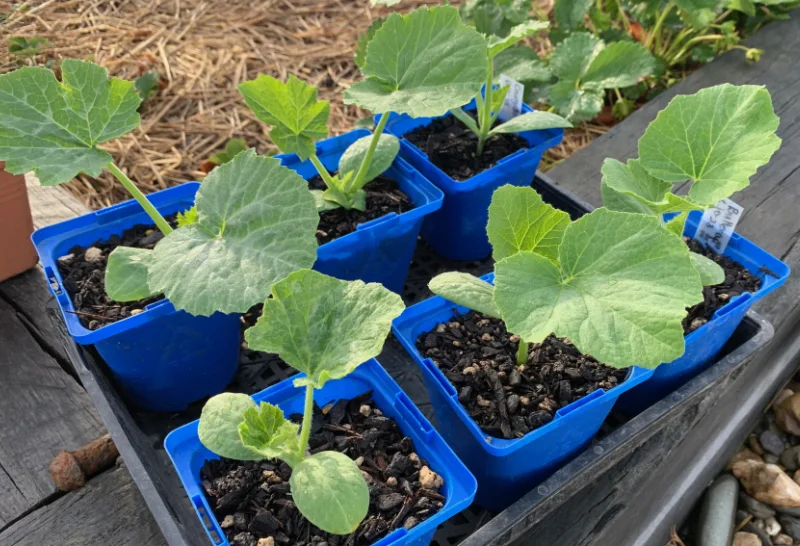
Sow seeds or plant cucurbit seedlings from September to January, depending on your region. In cool areas, seedlings can be started in protected positions and planted out when the weather is consistently warm day and night. Seeds and seedlings are readily available in garden centres during the planting season.
If planting seeds, plant 2 seeds in each planting hole a few cm apart, and then thin them to leave only the strongest seedling. Water seeds well, but don’t water them again until they germinate – they are very prone to rotting.
Don’t overcrowd cucurbits. They are susceptible to fungal disease and need good airflow around the vines. In general, allow 2m between pumpkin and watermelon vines, 1m between zucchinis and squash and 20-30cm between cucumbers.
Cucurbits are vigorous growers. Apply an all-purpose organic fertiliser in the first week after planting. Follow up with regular light applications every 3-4 weeks.
They have lots of foliage and dry out easily. Keep soil at the base of plants evenly moist as irregular watering can lead to poor production and poor-quality fruit. Avoid watering the foliage and fruit where possible to reduce fungal problems.
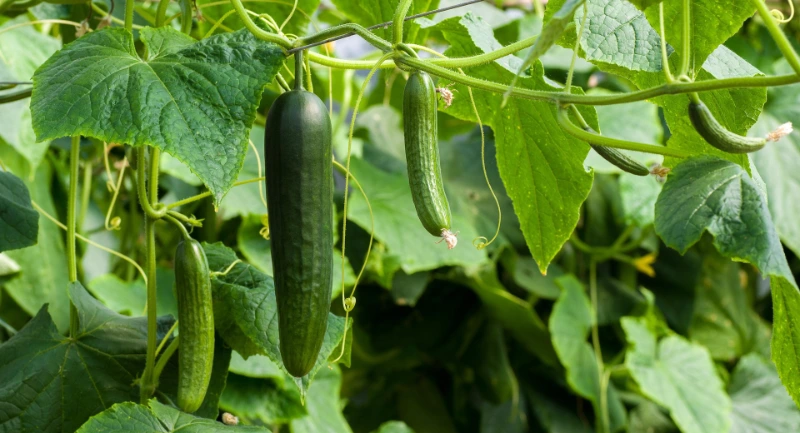
All cucurbit vines will climb if you let them. It is best to grow cucumbers on a 1 to 2m high trellis or support. This will support the vines and fruit, save space and keep the fruit off the ground. Pumpkins and melons can be trained over a fence or any supporting structure to save space in a small garden.
Poor fruit set in cucurbits is often due to inadequate pollination and lack of bees. Pollinating flowers by hand is easy to do and will ensure an abundant crop. Identify the male and female flowers. Males have long slender stems and female flowers have a swollen base. Pick off a male flower, remove the petals to reveal the central ‘style”. Use a small artist paintbrush to brush the pollen onto the pistil inside the female flower. This is best done early in the morning.
Use secateurs to remove the fruits to avoid damage to fruit and vines. Leave a length of stem on the harvested fruit which helps lessen deterioration.