
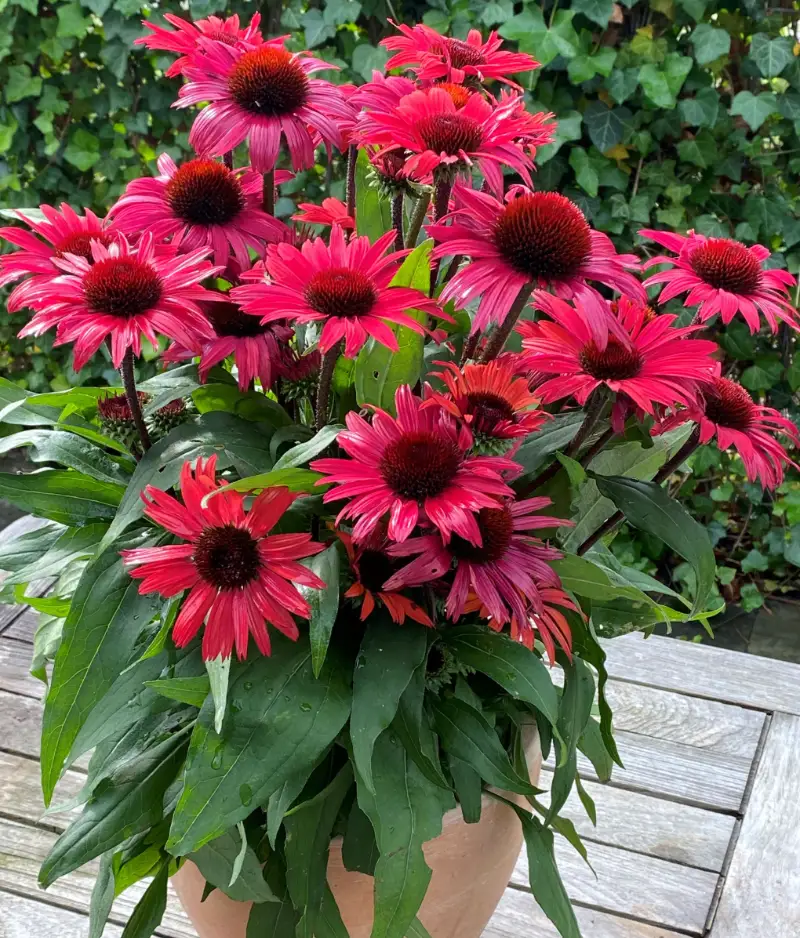
Here come the Sunseekers!

The remarkable SUNSEEKER™ Echinaceas are a new breed bred of coneflowers bred for exceptional flower volume on sturdy multi-branching stems.

Here come the Sunseekers!

The remarkable SUNSEEKER™ Echinaceas are a new breed bred of coneflowers bred for exceptional flower volume on sturdy multi-branching stems.
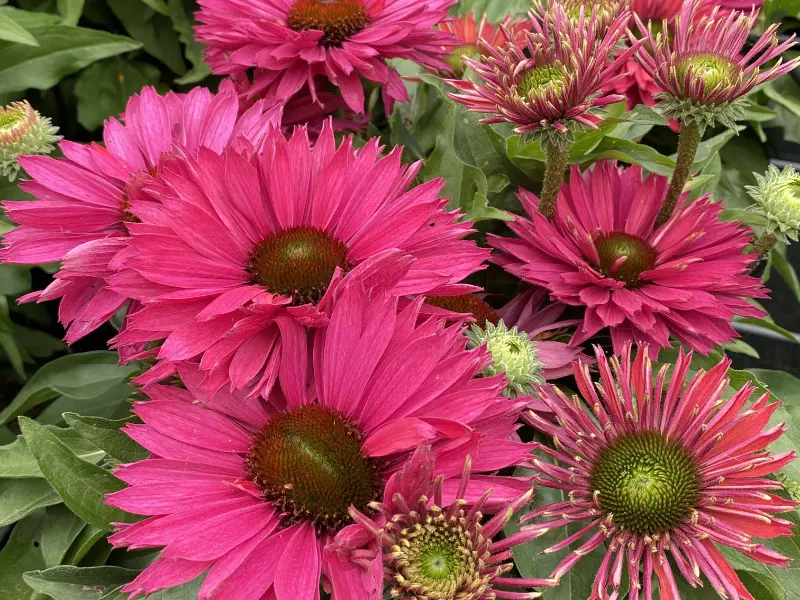
Echinacea Fuchsia
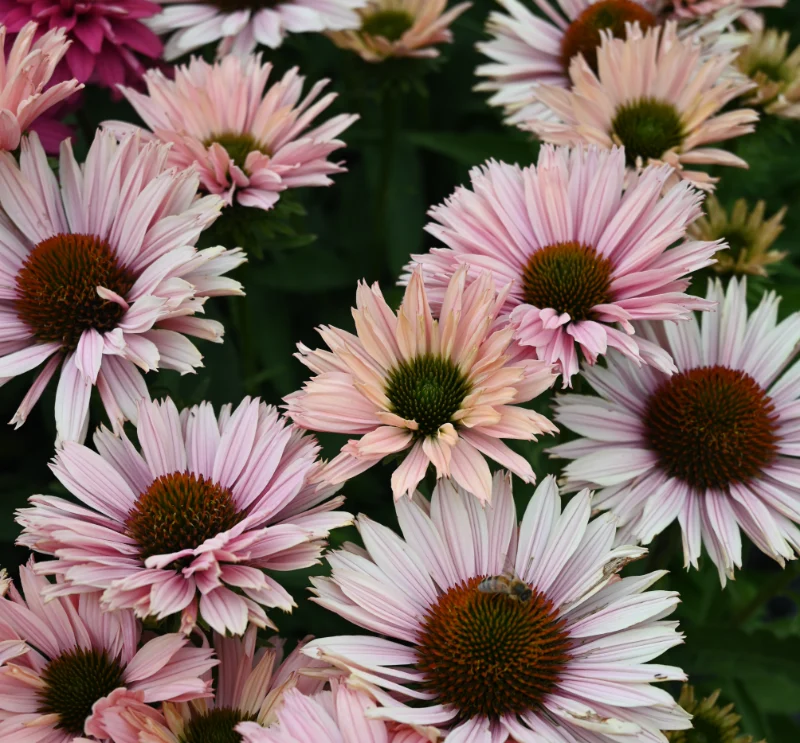
Salmon
Fuchsia
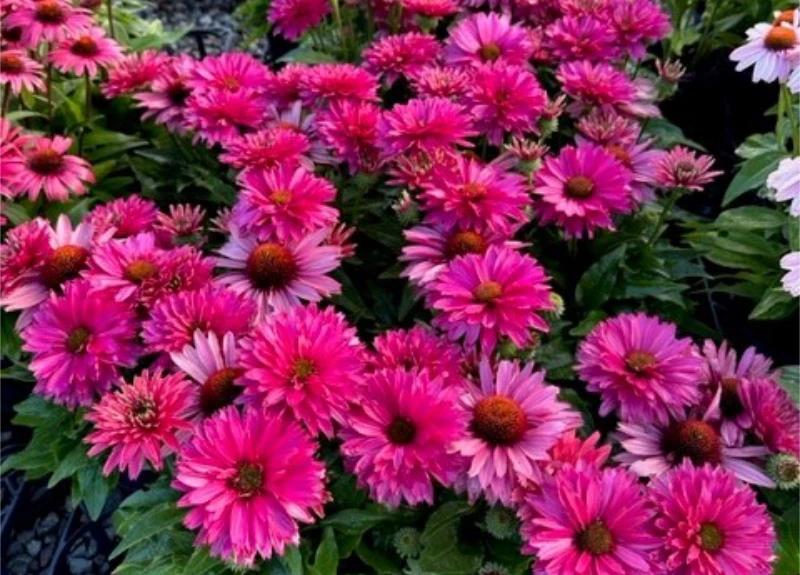
Pomegranate

The North American coneflower(Echinacea) is one of the time-honoured hallmarks of a colourful late summer perennial garden. From the wildflower of prairies and open woodlands, clever plant breeders have developed exciting garden plants with brighter bolder blooms and compact garden-friendly growth habits.  

New SUNSEEKER™ Echinaceas stand out for their sheer mass of bloom on strong sturdy plants. The series includes five varieties:

  • White Perfection
  • Fuchsia
  • Pomegranate
  • Salmon and
  • Tequila Sunrise.

 Their dark coloured stems contrast superbly with the vibrant and intense flowers. Sunseekers are stunning mass planted in the flower border and make wonderful cut flowers for indoors.

Like all Echinacea they like a sunny, well-drained position and light friable soil. Once well established, these enchanting perennials will provide dozens of glorious stems in intense mauves and oranges through to delicate pinks and whites.  

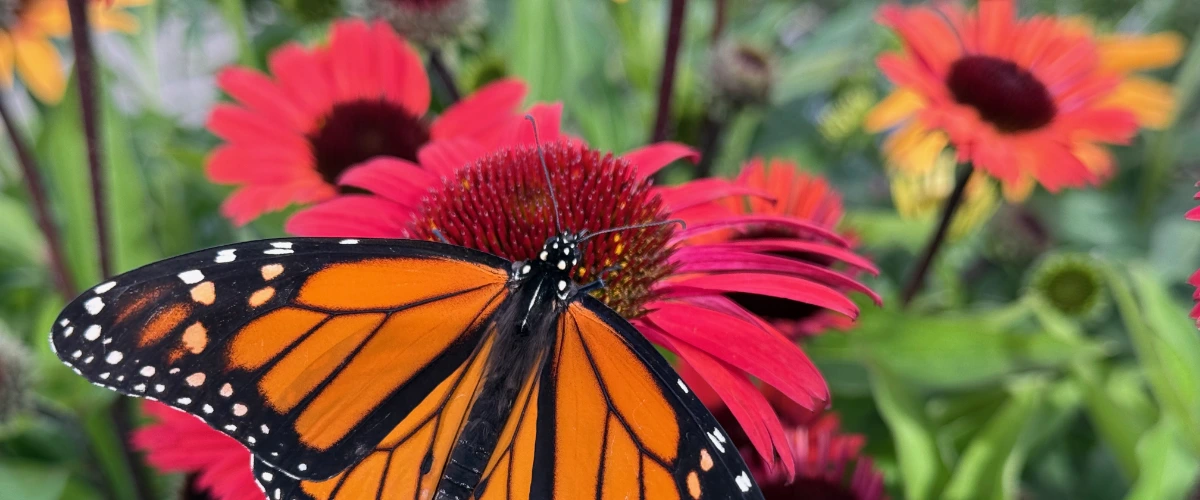
The benefits of Echinacea extend to our garden wildlife too. The large central cones are loaded with nectar for a vital late season food source for bees, butterflies and other pollinators. Let the flowerheads dry and go to seed and they will also provide a rich protein source for wild birds. 

How to grow Echinaceas

Ideally you want to plant so the roots have as much time as possible to establish prior to winter. The root development and root zone environment are key to success with all Echinacea.


  1. Make a planting hole that is at least twice the size of the root ball. Mix in compost. This will improve the soil friability and help maintain a slightly acidic to neutral soil (pH of 5.8-6.2) that’s perfect for Echinaceas. Avoid planting into compacted soils. If you’re gardening in clay soils, sprinkle gypsum into the bottom of the hole to help break up the clay.
  2. Plant so that the crown (or base of the plant) is slightly above the soil surface i.e. not buried. Water well to establish but ensure your planting situation provides adequate drainage. Try to handle the roots as little as possible as Echinacea dislike root disturbance.  
  3. Application of controlled-release fertiliser at planting, around the dripline (not over the crown), and again each spring will greatly improve flower performance. Liquid feeding can also be beneficial through summer for a health boost and to encourage repeat flowering.
  4. Once flowering has finished, cut back spent flower heads and ensure you mark your Echinacea’s position as they go winter dormant. You can then locate them to protect emerging shoots with an application of slug and snail pellets in spring.
2024 March