
Native plants are naturally low-maintenance and tough—it’s no surprise, given how long they’ve been growing here. Even the modern cultivars, bred for things like bright foliage or smaller size, still carry the hardy genes of their well-adapted ancestors.
It makes sense to choose plants that do well in your soil in climate but some of the best planting happens by accident. So mix it up and try something new! A greater diversity of plant life is the key to a resilient garden that’s bustling with birdlife.
Fast growing natives that give us privacy and shelter are also highly prized as habitats for birds and insects.
Loved for their beautiful scented flowers in summer and autumn, the lacebarks (Hoheria, houhere)mix beautifully with the likes of pittosporums and corokias in easy care native plantings. The very quick growing ribbonwood tree (Plagianthus regius) with its lovely lacy foliage tolerates difficult conditions including wind, frost and damp soil. Its scented flowers attract native insects.
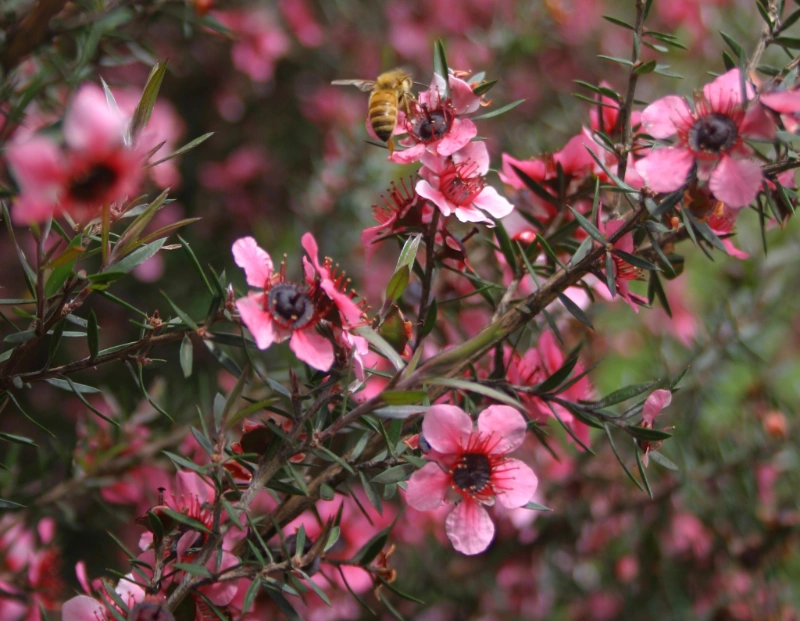
Manuka (Leptospermum)and Kanuka (Kunzea) are top choices for providing a quick canopy, their rapid growth providing shelter for slower-growing species, while their flowers are highly prized by bees. For gardeners wanting manuka with showy flowers there is a wide choice of colourful Leptospermum cultivars both tall and small.
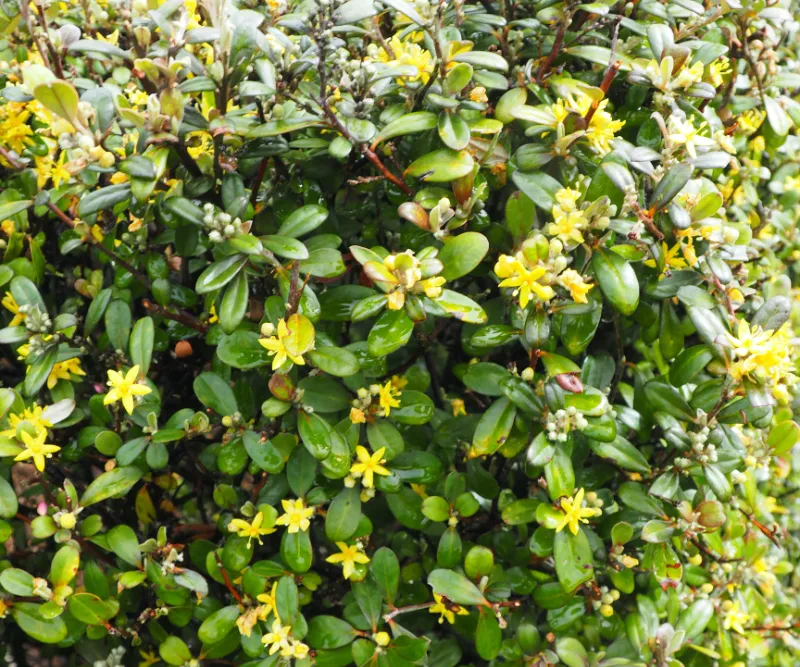
Corokias are a top choice for trimming but they are also very attractive when left to grow naturally. Left untrimmed, they display their attractive divaricating form to full effect and are excellent as nesting places. Their attractive red, orange or yellow berries are food for birds.
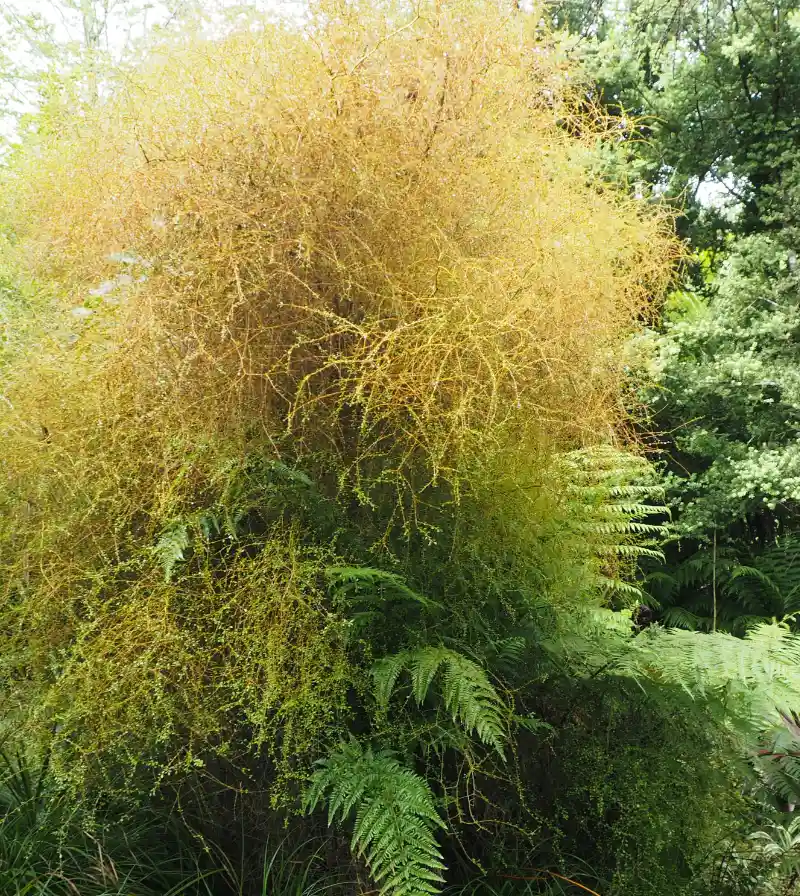
As super speedy growers, coprosmas are among the most useful ‘nurse plants’ in mass planting projects. If berries for birds are a high priority, the plain green species are perfect. For dramatic foliage colour all year round, the shiny leaf cultivars are among the most vibrant small garden shrubs. The tall species Coprosma virescens (mikimiki) has an elegant weeping form with dense tangled growth coated in tiny coppery-orange leaves that glisten after rain. Left untrimmed it makes a striking tall screen or small tree, and it can also be trimmed as a formal hedge.
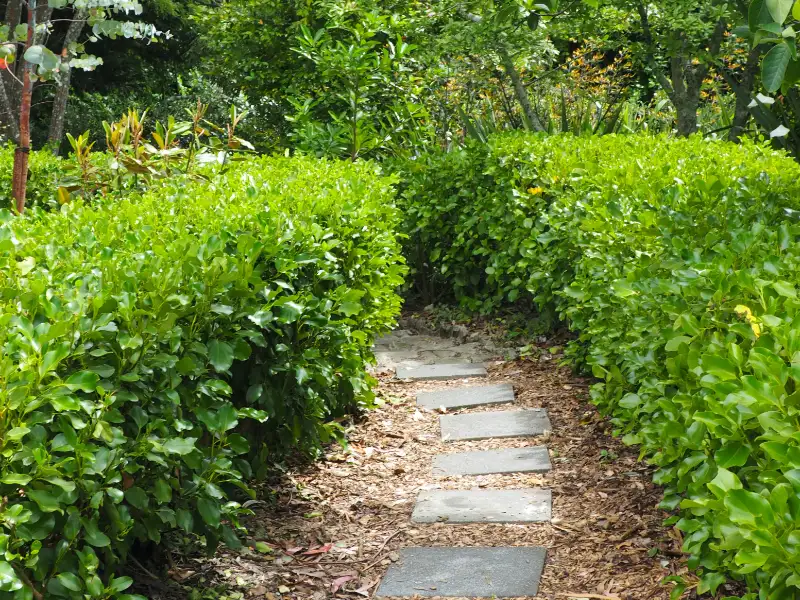
Griselinias (aka kapuka) are loved for their bright glossy green foliage. They number among New Zealand’s most widely planted hedges for good reason but also make handsome large shrubs in a mixed native planting.
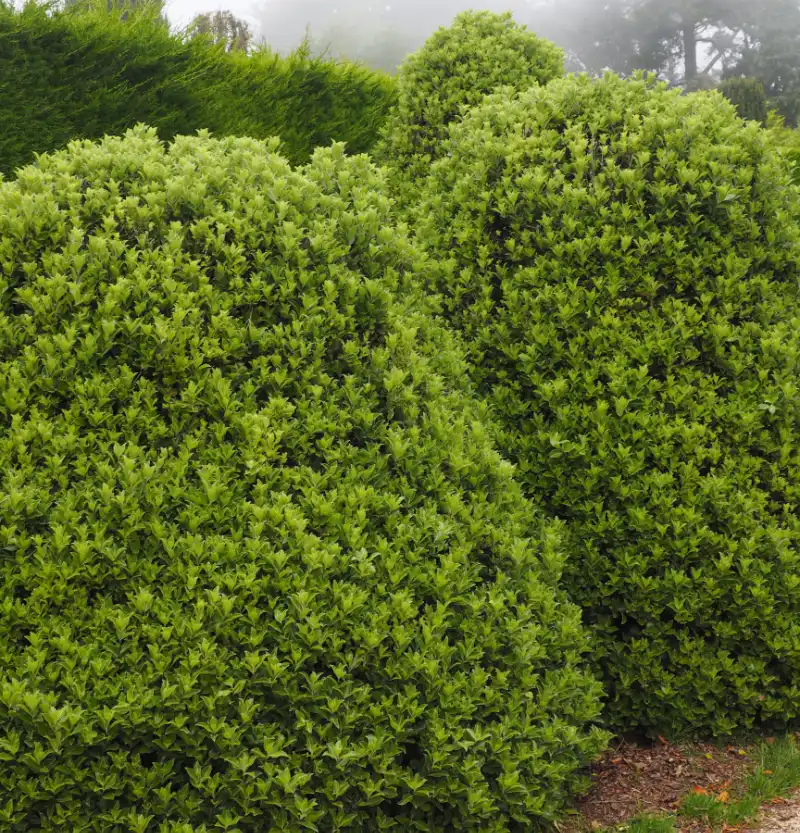
When flowering en masse, the small burgundy flowers of our karo, tarata and kohuhu (Pittosporum) trees are surprisingly fragrant - and a good source of summer nectar. In recent years a variety originating from a wild windy Island in Cook Strait has become a top choice for hedging and shelter. Pittosporum Stephens Island makes a tough dense screen with extremely attractive dense foliage which makes a valuable vase filler.
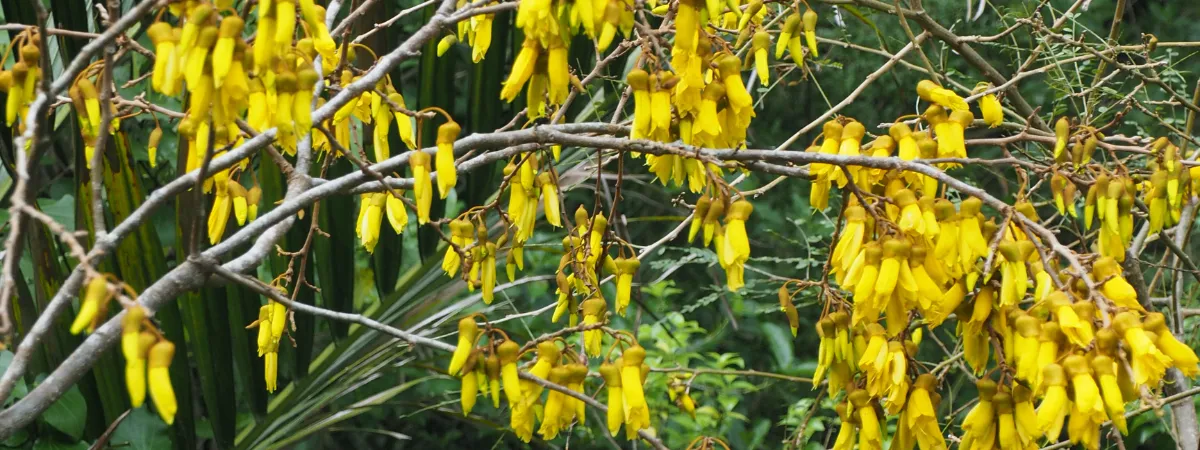
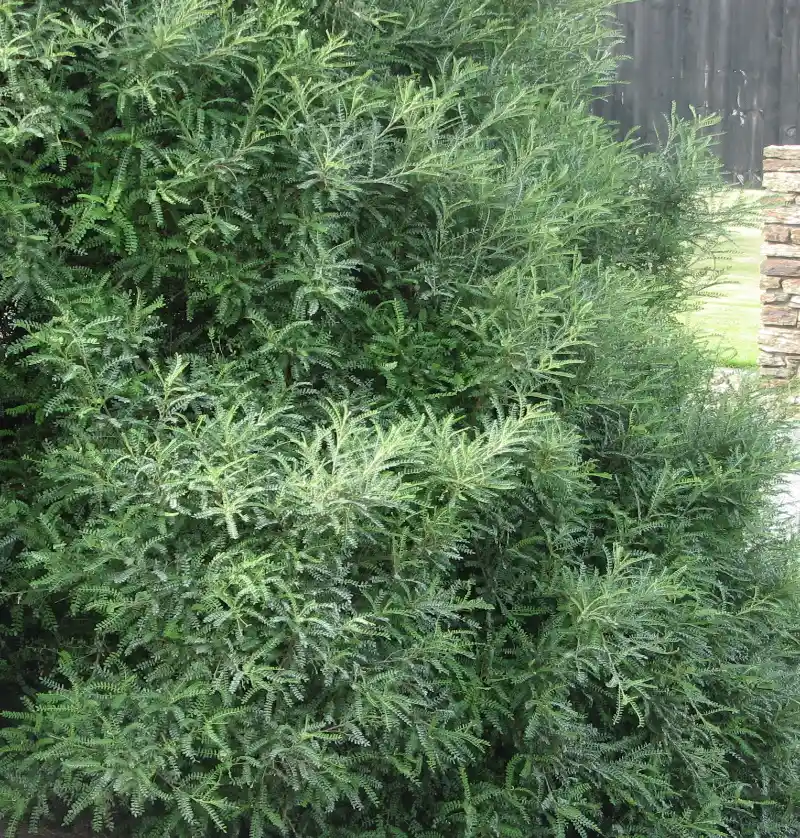
Golden kowhai trees start blooming as early as July. It’s no coincidence that the shape of our national flower closely matches the beak of a tui. Of the many different kowhai varieties, Sophora Dragon’s Gold is a perfect choice for smaller gardens. Bushy and compact, it also flowers over a longer period, often commencing in mid winter.
Where space allows, a pohutukawa or rata tree is sure to bring nectar seekers flocking your way, while the puriri offers food for many months of the year; nectar-filled flowers are followed by sweet juicy fruit.
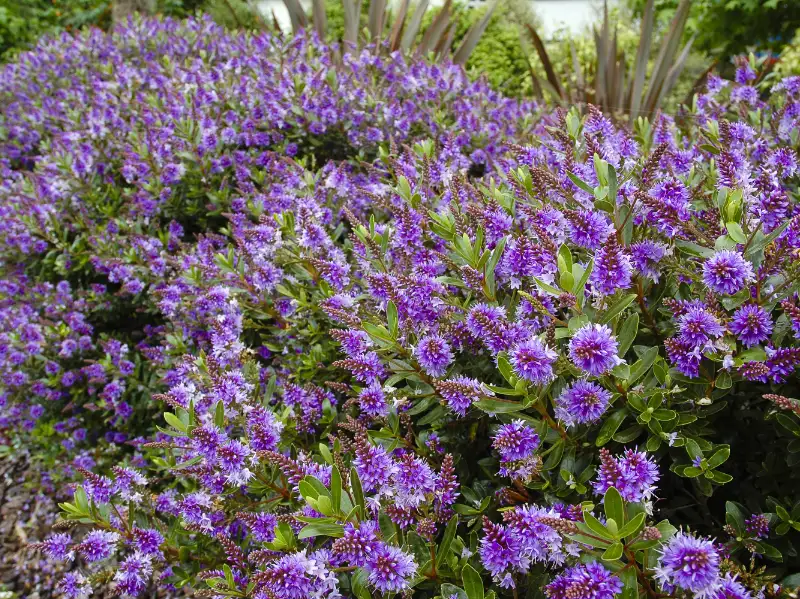
Popular world-wide, our hebes comprise a huge range of colourful free-flowering shrubs which provide nectar for birds and insects for fantails. Native bees adore them too. Hebes flower on new growth, so it is best to trim immediately after flowering to keep them tidy and compact.
Grasses, flaxes and shrubs with dense sideways growth to carpet the ground and block weeds, are a godsend for low maintenance gardens. They not only us save time, but they shelter and protect soil life and prevent erosion. For an easy care ground surface that lets excess water soak through, they are the environment-friendly alternative to concrete. Native grasses are great in a deluge too, especially those with a high tolerance to water.