
Splish splash

Summer takes away a lot of the easily accessible water for wildlife. Replacing puddles and raindrops with clean bathing and drinking stations helps keep our garden birds healthy and cool.

Splish splash

Summer takes away a lot of the easily accessible water for wildlife. Replacing puddles and raindrops with clean bathing and drinking stations helps keep our garden birds healthy and cool.
Birds need a source of fresh water for drinking and bathing
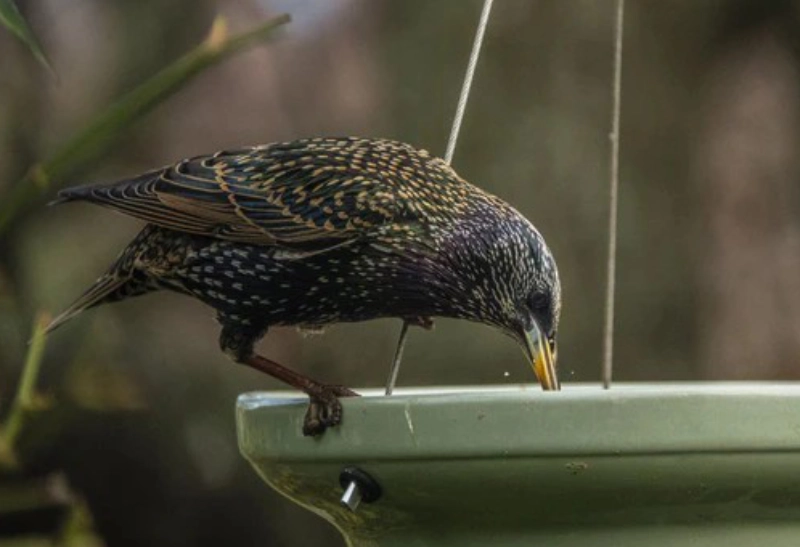
Starling taking a drink on a Splash 'n Feed
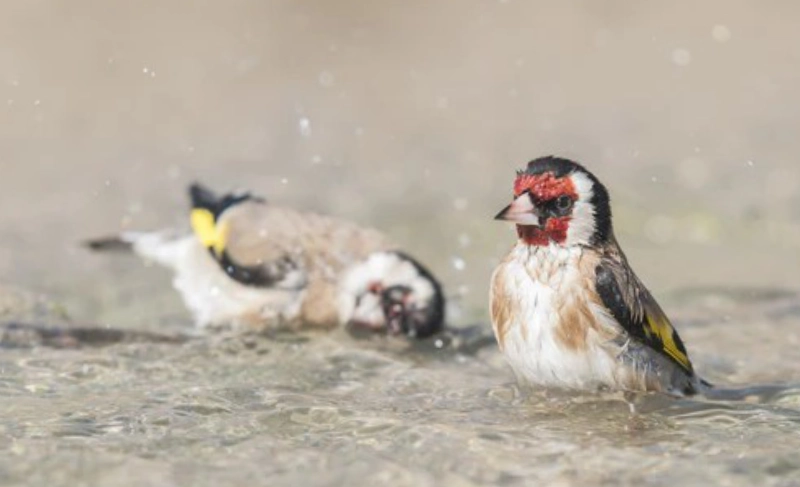
Goldfinchs taking a bath
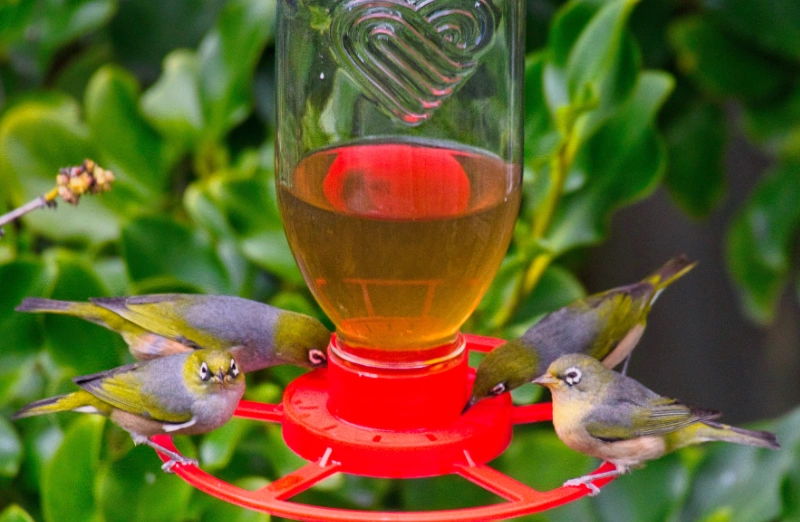
Silvereyes feeding on a Nectar Feeder
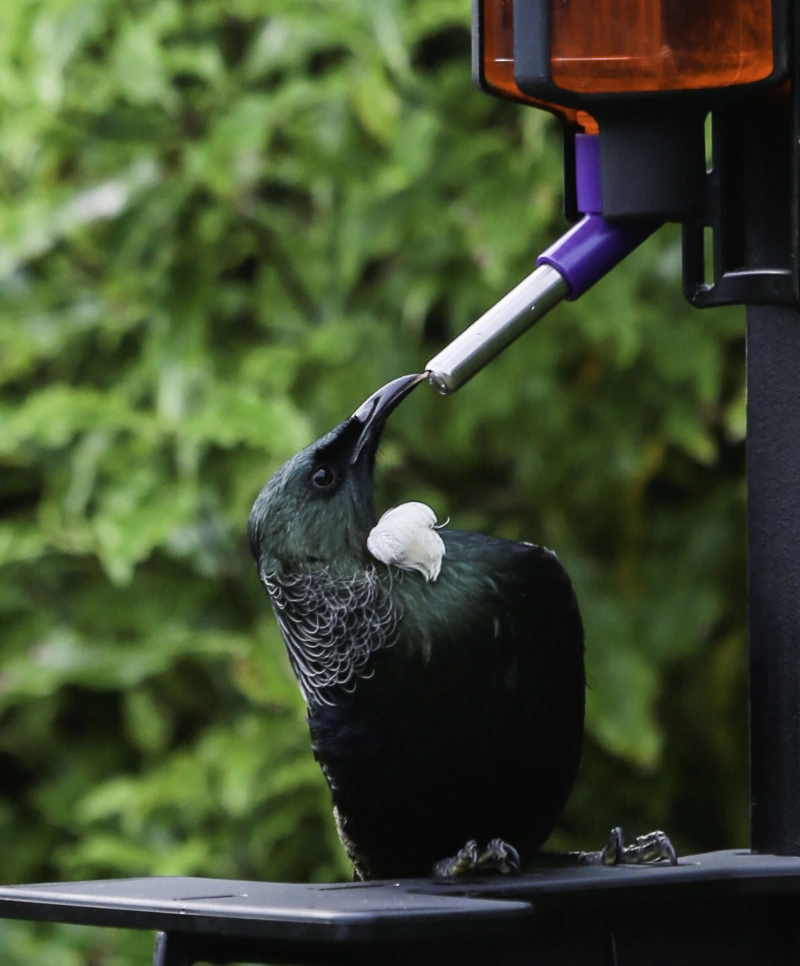
Tui at a Peka nectar feeder

Without access to regular supplies of fresh, clean water, wildlife can really suffer when the weather is hot and dry. For birds, with their small bodies and active daily lives, consistent hydration is even more vital. And the need extends far beyond the hottest days of summer. 

Birds don’t have sweat glands and therefore need less water than mammals. They do however, lose quite a bit through respiration and evaporation on hot days, and in their droppings.  

Like any animal, birds will not survive without water.  Drinking water is vital to help move spent nutrients from the body through the kidneys. Equally important for bird health is access to water for bathing. They use this water both for cooling off in summer and keeping warm in winter. 

For many birds, much of their liquid comes from their food intake. Insects contain a lot of water so insect-eating birds will satisfy much of their water needs this way. Nectar is mostly liquid, so that’s great for the nectar-sippers like tauhou, tūī and bellbirds. Birds that feed predominantly on seed (e.g finches, sparrows and yellowhammers) have a dry diet, so they need to drink more water. 

Otherwise, birds drink from droplets of water on leaves, puddles or pools of water on the ground, and ponds and streams – usually about twice a day. In summer a lot of those smaller and more accessible sources of water dry up. In winter they can freeze over. That’s why putting out water in our gardens is so helpful for New Zealand birds.  

To drink, most birds fill their beaks with water and tilt their heads back to let gravity move the water into their digestive tract

How we can help... 

Maintaining a clean, safe and accessible bird bath in the heat of summer helps New Zealand birds, both native and introduced. 

  • Keep it clean.  Bird baths can quickly become coated in algae if not cleaned regularly and can carry harmful pathogens. Thoroughly clean your bird bath at least once a week, more if the customers are visiting regularly. People tend to be less likely to clean bird baths when they are large and unwieldy. If that’s you, try a small, hanging bird bath like the Splash‘n Feed – it’s easy to remove and clean quickly. 
  • Keep it high. Birds crowding at water sources can literally be low-hanging fruit for predators like cats and dogs. Put it up nice and high so the birds can bathe and drink safely. 
  • Keep cover nearby. Birds will be cautious about approaching water sources that are out in the open. Locate bird baths near large trees or the side of a building if possible. The cover will give them a spot to flee towards if they sense danger.
  • Keep it shady. A bird bath placed in the middle of a garden will attract sunlight and heat up quickly. In summer especially, birds will use a bath to cool down so try to place it under shade. Hanging it from a large tree is a good idea, or perhaps from a south-facing fence line.  
  • Provide a hydration station in your garden. For the nectar feeding native birds keep your feeder topped up and  out of the sun to avoid it fermenting. Thoroughly clean your feeder and replace with a fresh batch of nutritious nectar every 2-3 days to be rewarded with a garden full of lovely little visitors!

2025 November