
If starting a vege patch seems easier said than done at a busy time of year, the good news is you don’t have to turn your entire back yard into your ideal vision of a food garden straight away.
There are many small ways to get started on the route to a healthier lifestyle that’s a little bit easier on the planet and also easier on the wallet. Small steps can be hugely satisfying! Start with what’s easy to grow and what you most like to eat. Then keep up your gardening momentum over the coming months. Follow up that Labour Weekend planting blitz with regular watering, feeding and replanting.
Plant little and often.
Succession planting makes the most of space and helps to avoid gluts while delivering a constant flow of daily goodness from the garden to the dinner table. Plan to plant something at least every second weekend. It might be popping in a punnet of salad greens or plugging a gap with a few radish or dwarf bean seeds. Unless you have a lot of growing space and want to feed the neighbourhood, there is no need to sow an entire packet of seed at once. As soon as a patch of lettuce or radishes is harvested, or a row of beans is past its best, use the space to plant something else. Fork in some fresh compost and nutrients and pop in another seedling. Use spaces between larger, slower growing plants for quick growing salad greens which can be harvested before the slower growers need the space.
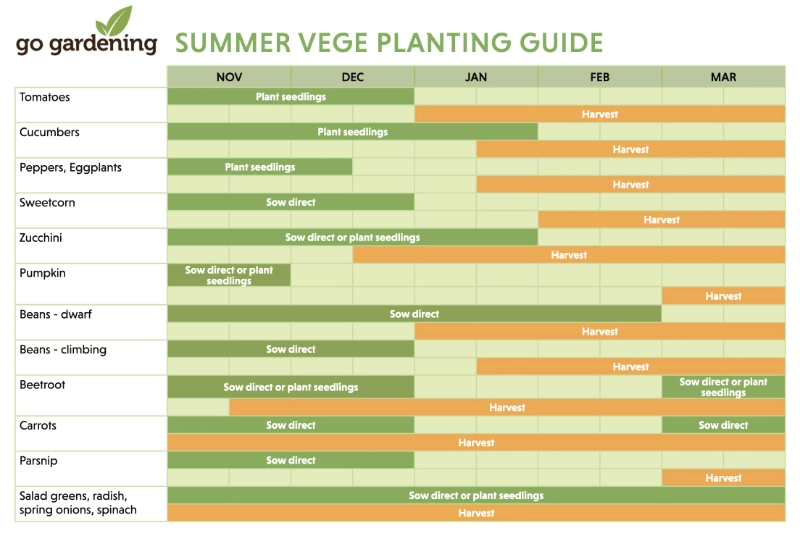
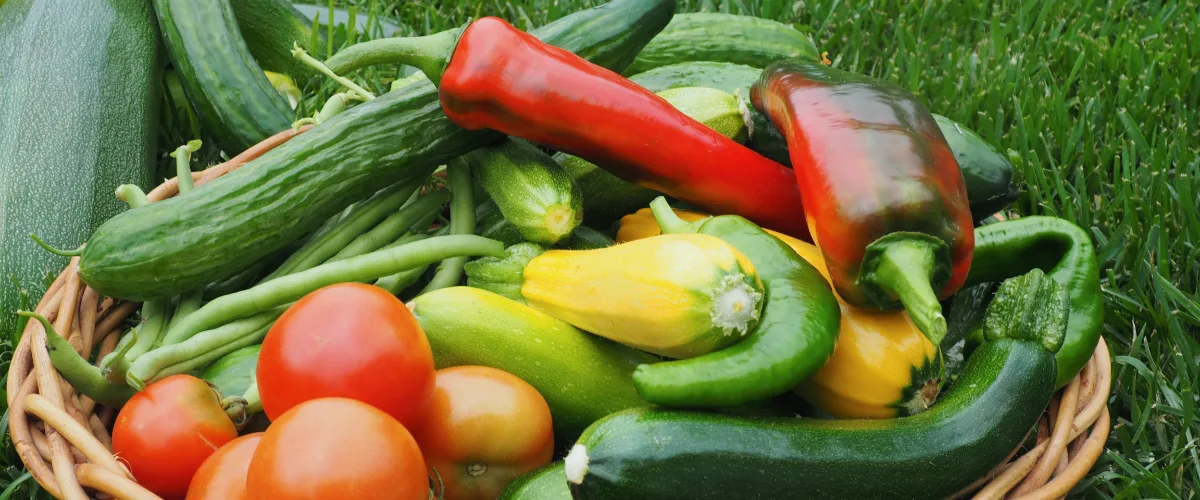
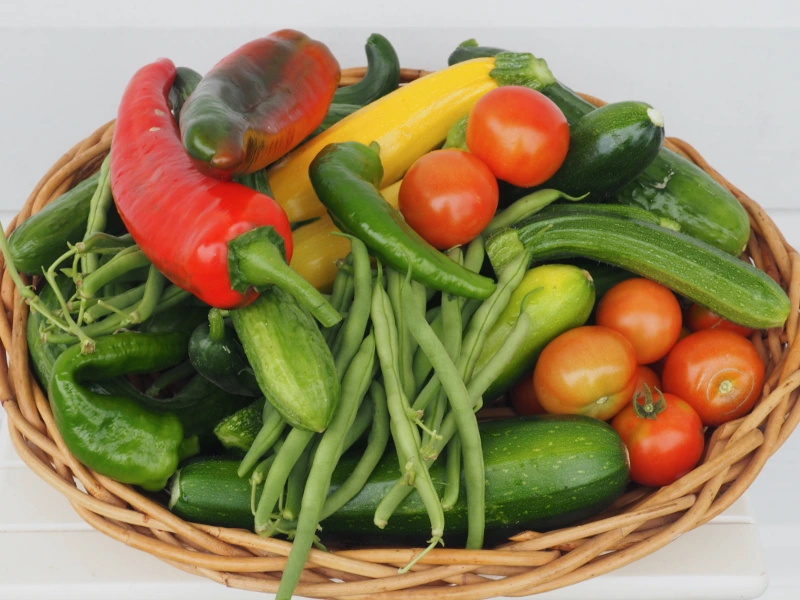
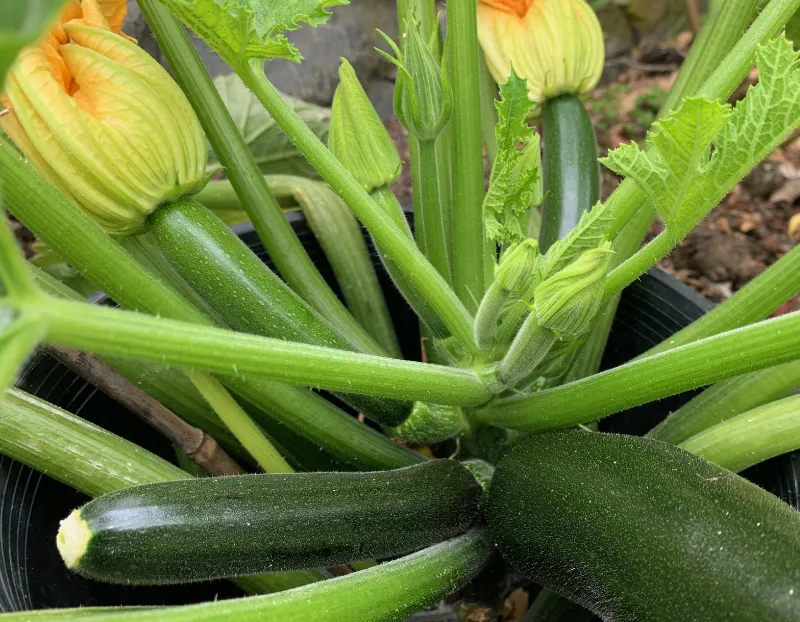
Zucchini grow quickly and easily and are highly productive. They keep on giving for many months. They are also hugely versatile and can be ‘disguised’ for picky eaters - grated into a yummy cake or pasta bake. One or two plants is all you need for a small family. Plant seedlings or sow seed directly into warm soil. Other satisfying crops for beginners include cucumbers, beans, herbs, salad greens and cherry tomatoes.
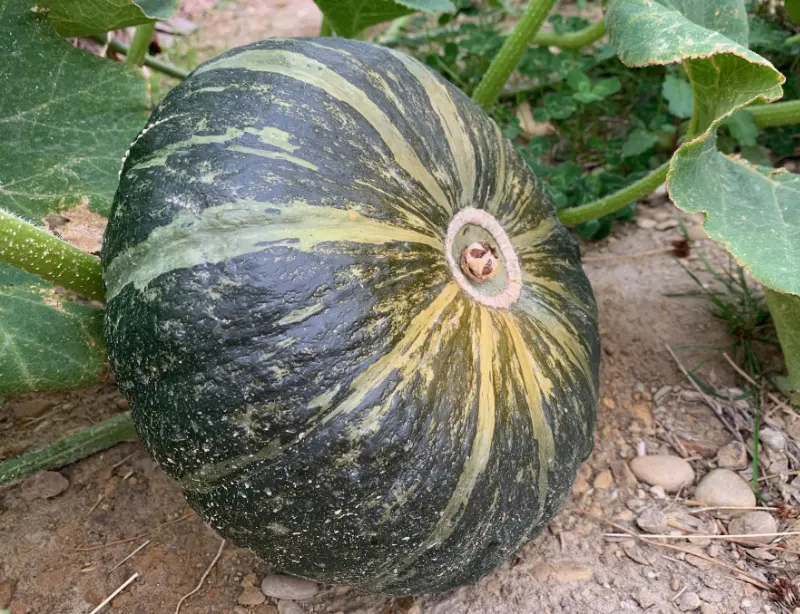
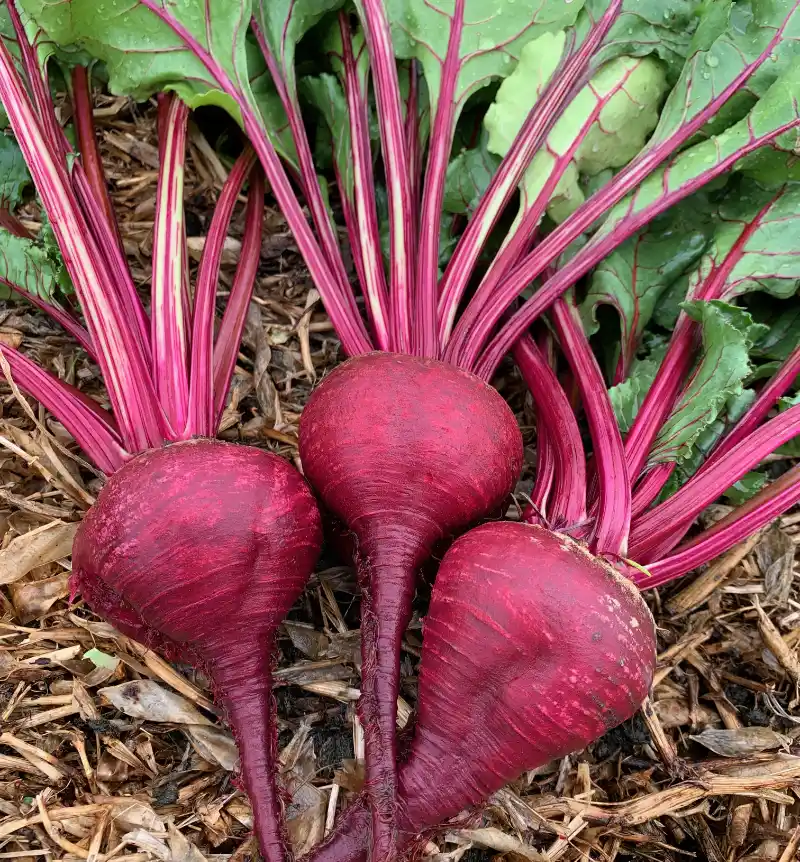
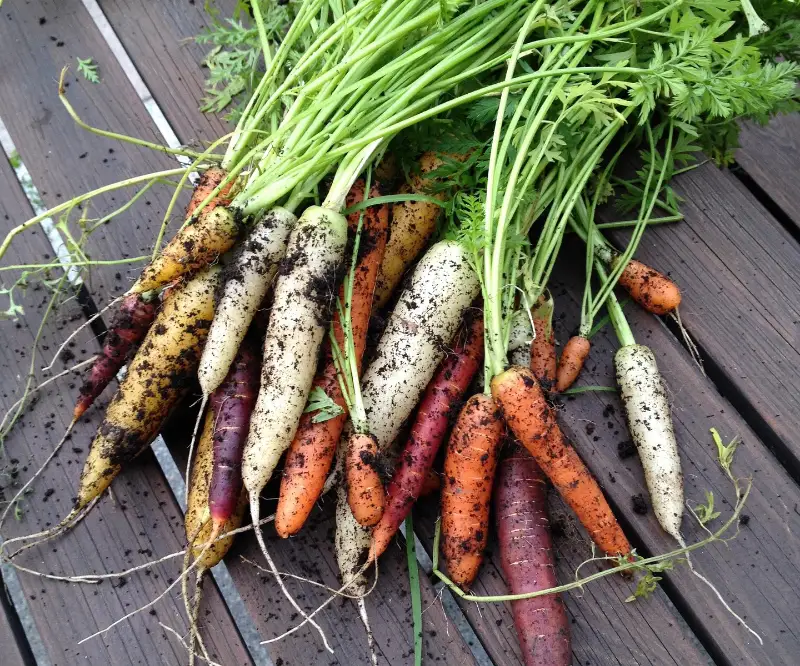
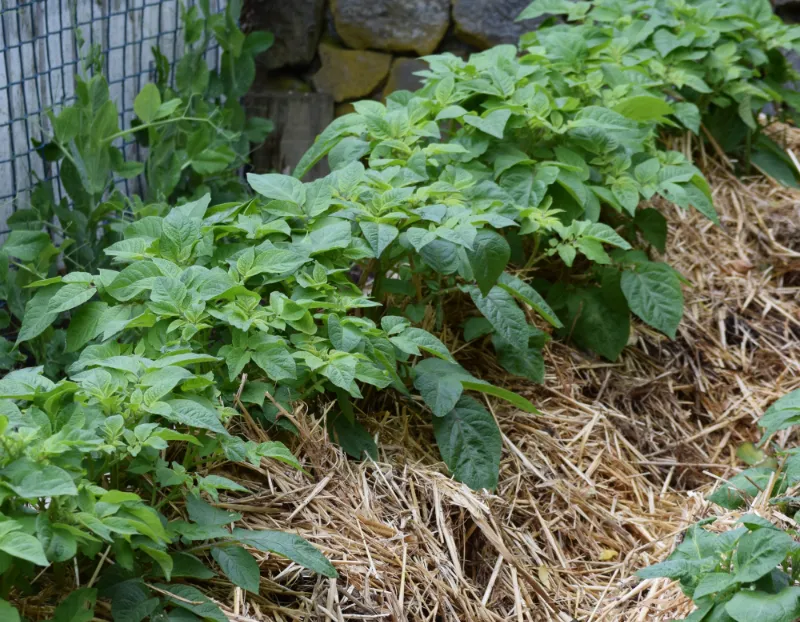
It’s planting time too for pumpkins. Planted now to grow over summer then harvested and stored in autumn, pumpkins and squash are among winter’s most nourishing vegetables. If you’re new to root crops start with beetroot. Carrots and parsnips are best grown from seed sown directly into the soil, then followed up with careful attention to weeding and thinning. Parsnips are well worth the extra perseverance and longer growing time - sow seed now for sweet parsnips to harvest over winter and spring. November is not too late for a last-minute planting of potatoes, and in warm climates there is still time to plant a kumara patch.
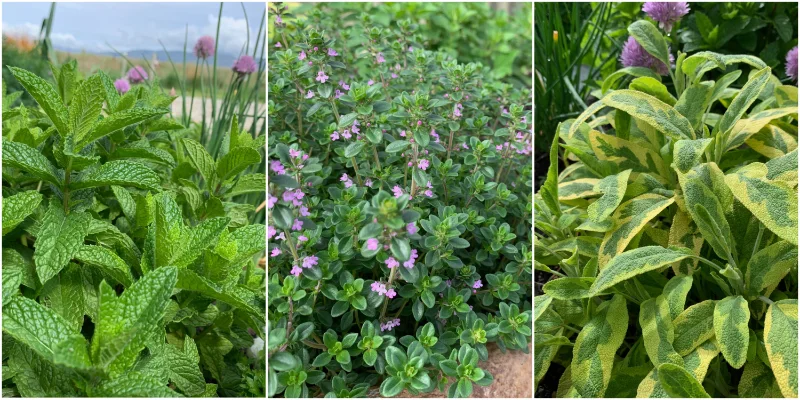
Herbs are among the easiest plants to grow. As every good cook knows, tasty garden herbs are the healthy substitute for those high-cost, high-salt flavourings and meal bases that come in plastic packaging. Make your own teas from home grown herbs like mint, thyme, lemon verbena, and chamomile. Plant herbs in pots, in the vege garden or among the flowers. Soft herbs like parsley, basil and mint need plenty of water and ideally, some afternoon shade.
Devise a workable composting system that fits your lifestyle will greatly reduce food waste and build better soil, ultimately saving time and money too. Once you get the basics of how composting works, turning kitchen waste into healthy soil is one the most fascinating and engaging aspects of gardening. It also saves time and money.
Conveniently placed, easy to use watering equipment may cost a little at the onset but it is hugely time saving and will make the difference between plants getting their water needs met or not.
During a hot dry spell watering is more than just case of life and death for plants; when short of water they may simply grow less, flower less and fruit less. A water stressed plant is far more likely to fall prey to pests and diseases.
How often a garden needs watering depends on the soil type, the climate and the plants we choose to grow. But in every garden, there are simple ways to reduce the time and money spent on summer watering.