
When water is lacking, plants suffer. Even when they survive a dry spell, their root damage can be permanent. Growth slows, and flowers and fruits may be sparse and of poor quality. Reduced water also weakens a plant's defences against pests and diseases. Water is essential for nutrient absorption, so dehydration will also lead to nutrient deficiencies.
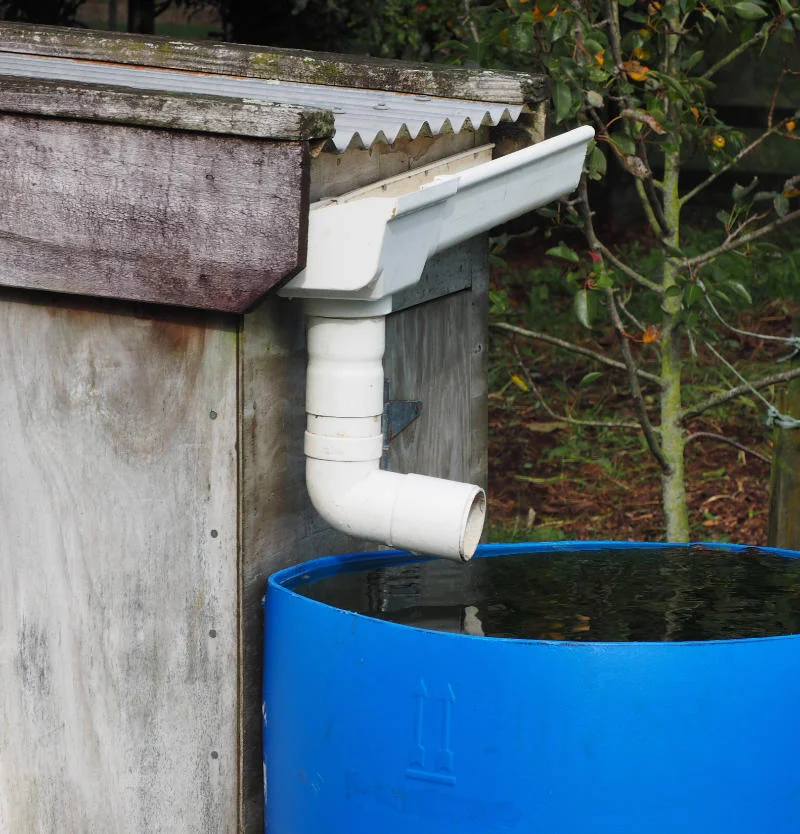
In dry parts of the world, entire civilizations have been built around carefully managed irrigation. Here in Aotearoa, we’re lucky to get plenty of rain, but it doesn’t always fall when or where we need it, especially now with the effects of climate change. With water quality and availability under growing pressure, we all have a role to play. Water meter or not, it pays to think carefully about every dropas the hot dry summer weather sets in.
On the flip side, as we've seen in recent summers, we must also prepare for calamity. There will be more of those times when too much water falls from the sky. Intense downpours are becoming more frequent, bringing with them severe flooding and landslides, compounded by aging infrastructure.
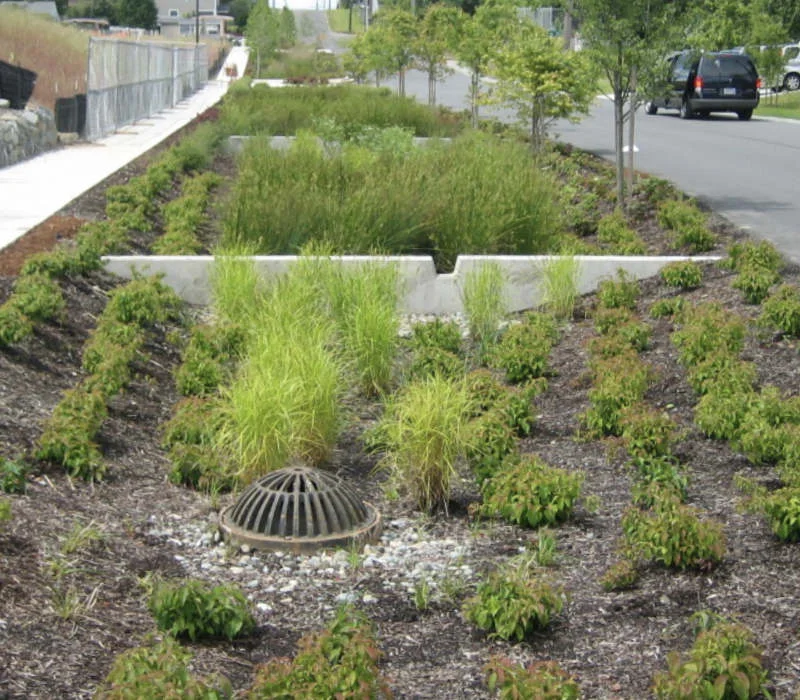
Where once there was ample vegetation to soak up excessive rainfall, the spread of impermeable surfaces in cities now leads to more intense stormwater runoff. This not only exacerbates flooding and pollution in our waterways but also deprives underground aquifers of the opportunity to be replenished.
As gardeners, there are simple yet effective steps we can take to reduce the amount of water that ends up in the stormwater system. By making our gardens "spongier," we not only cut down on the need for watering, we also create a more resilient, beautiful landscape in the process. Here's how:
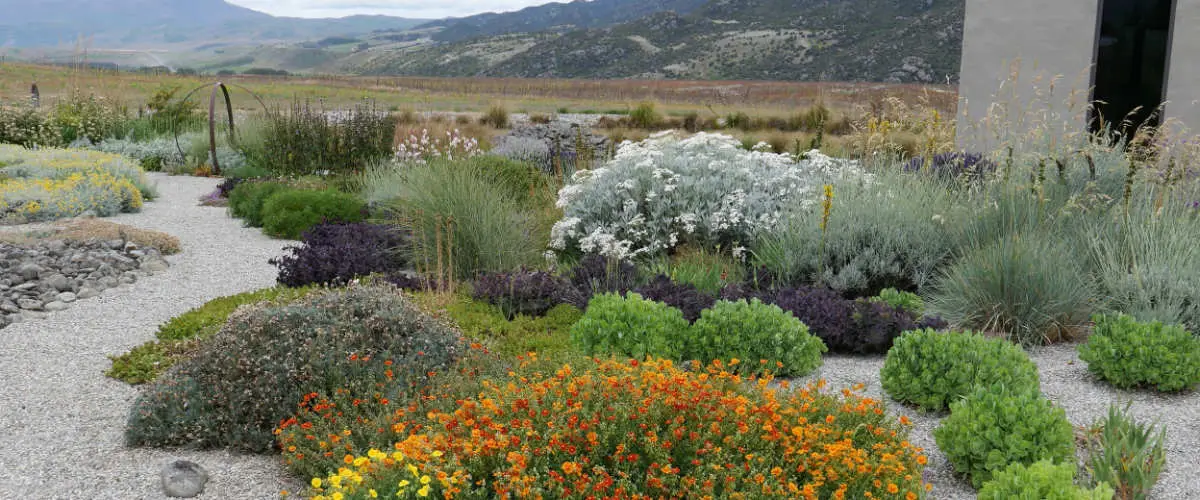
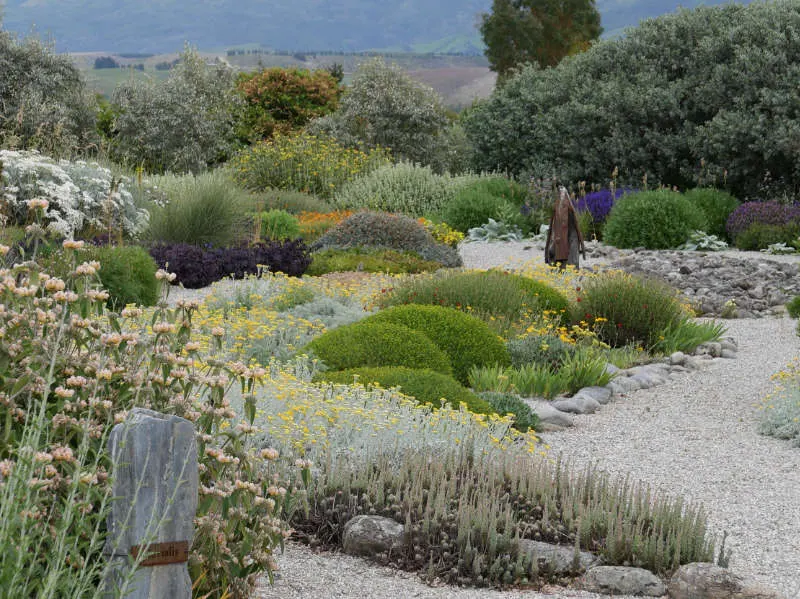
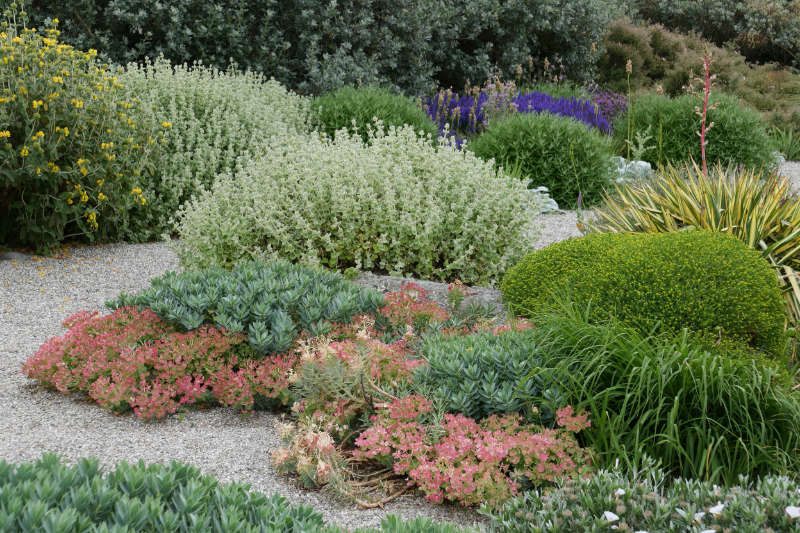
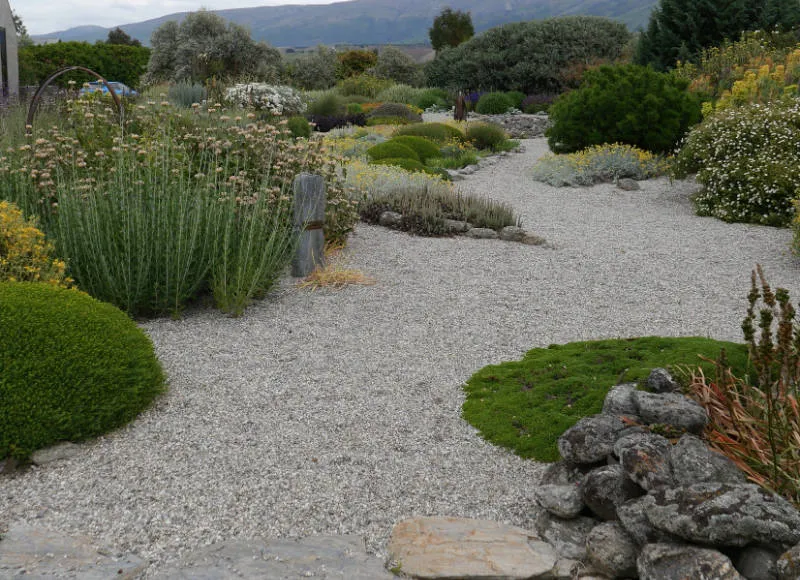
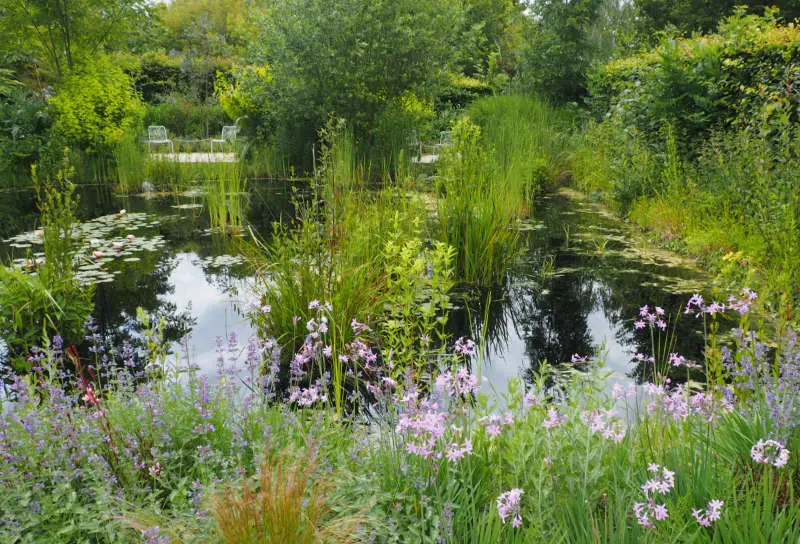
A rich diversity of plants is the key to a garden that has the best chance of righting itself when things go wrong with the weather. For a sustainable, hard wearing garden that looks great all year round, a useful rule of thumb is to plant at least half of it in trees, shrubs and ground covers.
As they mature, trees and shrubs create microclimates for smaller plants, allowing us to grow treasures that need a little more shade or shelter. Underground, a diverse network of roots growing to different depths helps to stabilise the soil on a vulnerable slope.
Also sheltering in the layers of a richly planted garden are the birds, insects and essential micro-organisms so important to a healthy soil that absorbs moisture like a sponge. Even a lawn is better than concrete in a downpour. Too many hard surfaces leave the water with nowhere to go.
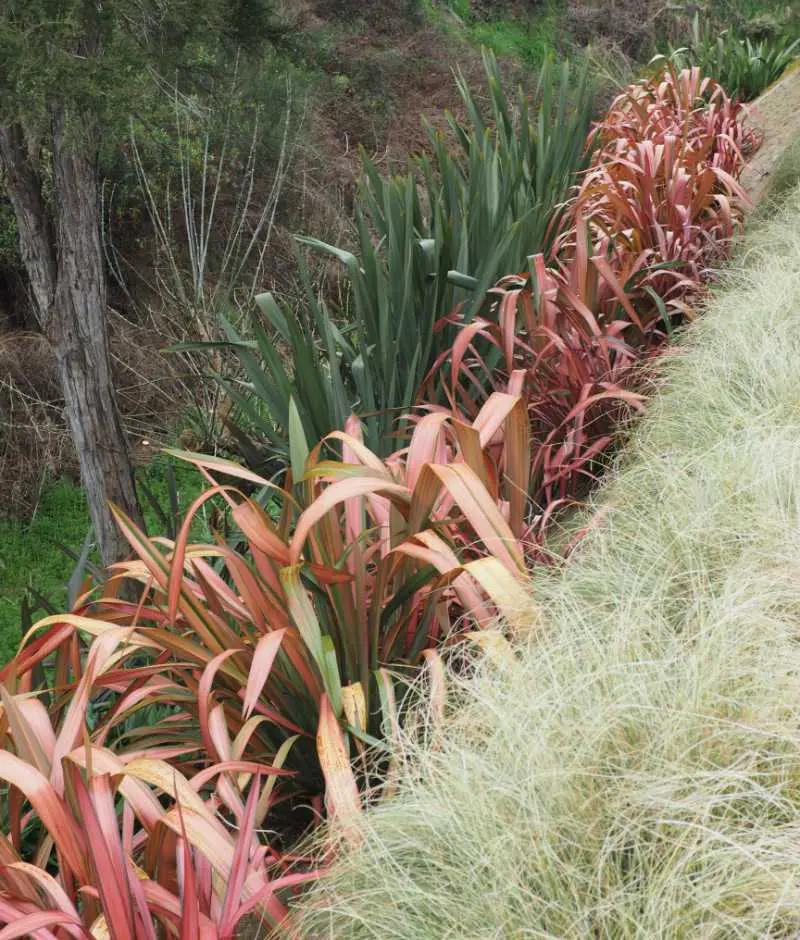
Bare soil exposed to the elements is quickly lost or damaged. Covering the soil surface with organic mulch is useful while plants are growing to fill the space, but there is no greater protection than a cover of living plants. The easiest, most sustainable ground cover plants, particularly on steep ground, are low growing shrubs, hardy flaxes, grasses and other clumping evergreens that don’t need regular lifting and replanting. While you wait for plants to knit together, cover the spaces between them with organic mulch.
Just like a sponge, healthy soil is full of pores (tiny spaces of varying sizes). The smaller pores hold water, storing it for plant roots to access even after rain has stopped. The larger pores fill with air, creating vital breathing space for roots and soil organisms. Good soil has a balance of both.
A well-sheltered garden, protected by a hedge or mixed evergreen planting, shields plants from drying winds. Native trees and shrubs are among the top choices for shelter, able to withstand drought and wind once their roots are established.
As the climate warms, trees play a vital role in keeping us cool and conserving energy. Through evaporative cooling, they help offset the urban ‘heat island’ effect caused by concrete and asphalt.
Lawns, vegetable gardens, and pots demand the most attention when it comes to watering. To save time and resources, group plants with similar watering needs together, and consider streamlining your planting choices to favour those that are the most dry tolerant.
Standing on a summer evening with watering wand in hand while checking your plants’ progress is one of the best ways to unwind at the end of the day. This is a good time to water, when baking sun and drying wind won’t evaporate moisture before it reaches the roots.
Better still, water in the early morning, when the soil is cool and there's less risk of fungal diseases developing overnight. Deep infrequent watering rather than daily light watering, is the best way to encourage stronger root systems and healthier plants in the long term.
One of the simplest ways to prevent water waste is to invest in durable, user-friendly equipment. It might be as easy as replacing a leaky tap or worn-out hose. Anti-kink hoses with ergonomic attachments and handy wind-away hose reels help make watering a breeze.
Soaker hoses and trickle irrigation lines that deliver water exactly where its needed are especially effective when attached to a timer that’s set to apply the amount of water that’s needed and no more.
For even greater efficiency, a well-maintained, permanently installed irrigation system can save time and water, especially when paired with modern features like rain sensors and WiFi-enabled automation. While these systems can require a higher upfront investment, the long-term savings in water and effort often make them worthwhile.
Sprinklers are useful, especially for lawns, but they must be managed carefully to prevent water being wasted on paths and driveways and other areas not needed. On the upside, sprinklers are highly visible, and therefore less likely to be forgotten when it’s time to turn off the tap.
In the long run however, a garden that’s planted for long term resilience will need very little watering and a well-designed watering wand may be as high tech as you need to go. Hand watering is an excellent way to ensure water goes only where it’s needed.